 by
by Stage Presence and Body Language in Standup Comedy
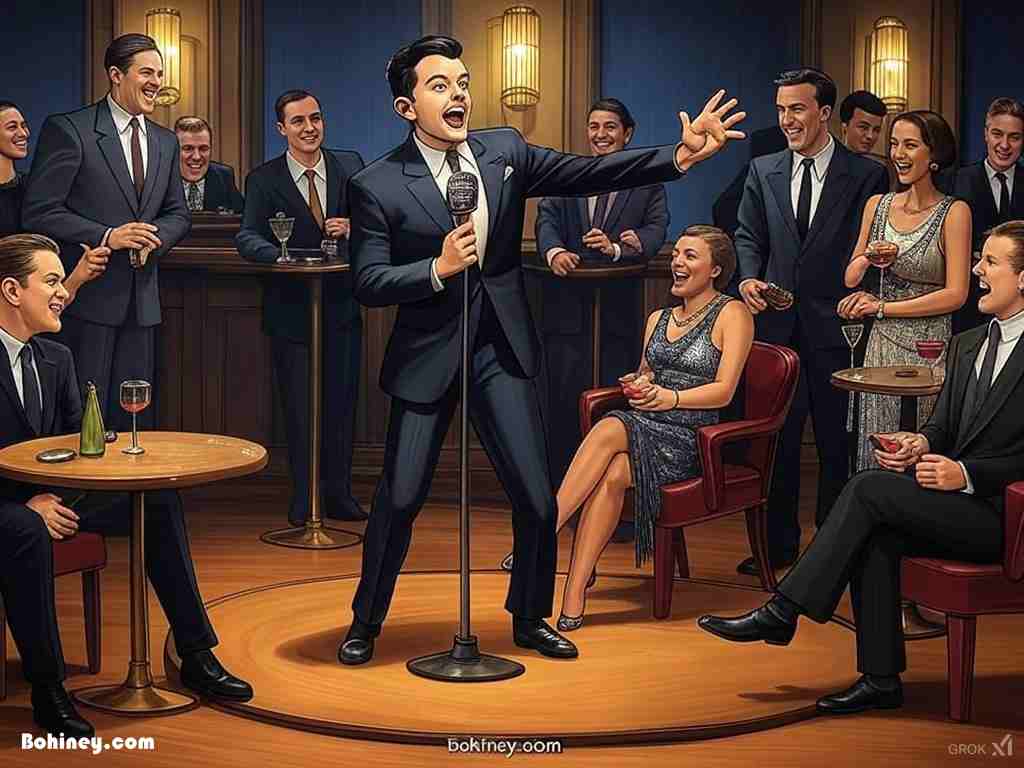
Standup comedy isn’t just about the words—it’s about how you deliver them. A joke that’s hilarious on paper can fall flat without the right physical delivery, while a mediocre punchline can get a big laugh if performed with the right energy and presence. Stage presence and body language are essential tools that separate good comedians from great ones. In this guide, we’ll explore how movement, facial expressions, posture, and confidence can elevate your performance, making you more engaging, entertaining, and unforgettable.
Why Stage Presence and Body Language Matter
Studies on audience engagement reveal that up to 55% of communication is non-verbal, meaning a comedian’s physicality plays a massive role in how jokes are received. Audiences aren’t just listening to what’s being said—they’re watching how it’s being said. Body language conveys emotion, enhances punchlines, and reinforces comedic timing, all of which contribute to a dynamic and immersive performance.
Kevin Hart, for example, is known for his high-energy performances, animated storytelling, and expressive face. Even before he delivers a punchline, his posture, facial expression, and gestures signal to the audience that something funny is coming, priming them for laughter. In contrast, someone like Steven Wright, who leans into a deadpan delivery, uses stillness and minimal movement to amplify the awkwardness of his humor.
Building a Commanding Stage Presence
1. Confidence: Own the Stage
Confidence is the foundation of stage presence. Whether you’re performing in front of five people or a thousand, appearing comfortable on stage helps the audience relax and trust you. Even if you feel nervous, faking confidence through posture and movement can create the illusion of control.
Chris Rock is a master of stage presence. He strides across the stage with purpose, using his movements to create an authoritative, high-energy delivery. His ability to physically “own the space” makes him compelling to watch and adds power to his words.
To build confidence:
- Maintain an open posture—shoulders back, chest out.
- Make deliberate movements rather than fidgeting.
- Practice walking on stage with purpose rather than hesitating or rushing.
- Use eye contact to engage the audience rather than looking down or away.
2. Gestures That Enhance the Joke
Hand movements and gestures can amplify your words and create visual emphasis for punchlines. A well-timed hand movement can add clarity or exaggeration to a joke, making it more impactful.
Jim Carrey, famous for his physical comedy, often uses exaggerated hand gestures, wild expressions, and even full-body movements to illustrate his jokes. His entire body becomes part of the performance, making his delivery as important as the words themselves.
Tips for effective gestures:
- Match your gestures to the rhythm of your joke.
- Use your hands to highlight key words or phrases.
- Avoid nervous or repetitive movements that don’t add to the joke.
- Be mindful of overuse—too much movement can be distracting.
3. Facial Expressions: The Silent Punchline
A well-timed facial expression can often be funnier than the joke itself. Audiences pick up on subtle eyebrow raises, eye rolls, and smirks, which can transform a simple observation into a laugh-out-loud moment.
John Mulaney’s comedy is filled with exaggerated expressions that emphasize his delivery. His ability to switch between wide-eyed innocence and deadpan disbelief makes his storytelling feel more immersive.
How to use facial expressions effectively:
- Match your facial expressions with the emotions behind your jokes.
- Hold expressions slightly longer for comedic effect.
- Use contrast—switching from an intense look to a blank stare can add humor.
4. Movement: Using the Stage to Your Advantage
Moving around the stage strategically can keep the audience engaged and add energy to your set. However, aimless pacing or excessive movement can be distracting and diminish your punchlines.
Eddie Murphy, in his iconic Raw and Delirious specials, used the entire stage, incorporating movement to bring his impressions and stories to life. His physicality kept the audience locked into his performance, even during long-form storytelling.
To maximize movement:
- Walk with purpose rather than pacing nervously.
- Use physicality to act out scenarios in your jokes.
- Avoid standing still for too long—use space to engage different sections of the audience.
5. Controlling the Microphone and Stand
The microphone is a key tool for a comedian—not just for speaking but for physical expression. Holding, moving, or even playing with the mic stand can add layers to a joke.
Dave Chappelle often leans on the mic stand or lets it dangle to create a relaxed vibe. Sometimes, he removes the microphone from the stand as part of a dramatic pause, making the audience lean in. These small gestures make his performance feel natural and conversational.
Tips for mic handling:
- Avoid gripping the mic too tightly—relax your hand.
- Move the stand aside if you prefer more movement freedom.
- Use the mic for comedic effect—lowering your voice, tapping it for emphasis, or even dropping it after a killer punchline.
Stage Presence Techniques That Build Connection
1. Eye Contact: Making the Audience Feel Seen
Making eye contact with different sections of the audience creates a sense of intimacy and engagement. It signals confidence and makes audience members feel directly included in the performance.
Ali Wong masterfully locks eyes with audience members when delivering her punchlines, making them feel like they’re sharing an inside joke. This technique helps build connection and keeps attention focused.
To improve eye contact:
- Look at different sections of the audience rather than staring at one spot.
- Hold eye contact for a few seconds before shifting focus.
- Avoid looking down at the floor or at the ceiling—own the space.
2. Pausing for Effect
Sometimes, the funniest moments come from silence. A well-timed pause allows the audience to process the joke and anticipate the punchline, heightening the comedic impact.
Sebastian Maniscalco is a master of the comedic pause. He often lets his audience sit in silence for a moment, building tension before delivering his punchline. This makes the eventual release of laughter even stronger.
How to use pauses:
- Pause before the punchline to create suspense.
- Hold silence after a joke to allow laughter to build.
- Don’t rush—let the audience catch up before moving on.
3. Using Silence and Stillness for Emphasis
Not all great stage presence involves movement—sometimes standing still is the most powerful choice. A dramatic stop or a long stare can say more than words.
Mitch Hedberg, with his laid-back delivery, often used stillness and silence to make his punchlines land harder. His slow, deliberate style made even his simplest jokes feel impactful.
To use stillness effectively:
- Change pace—switching between animated movement and total stillness can add contrast.
- Use a deadpan stare after a ridiculous joke to enhance its humor.
- Let the audience fill the silence with their own anticipation.
Common Mistakes to Avoid
1. Overacting
Too much movement or exaggerated facial expressions can come off as unnatural. Make sure your physical delivery matches your material.
2. Fidgeting
Nervous habits like shifting weight, adjusting clothing, or unnecessary hand movements can distract from your jokes. Filming your set and watching for nervous tics can help eliminate them.
3. Pacing Too Much
Walking back and forth without intention can weaken your presence. Every step should have a purpose—whether it’s emphasizing a point, engaging a different part of the audience, or setting up a physical bit.
Conclusion: Mastering the Art of Stage Presence
A standup comedian’s words may be the foundation of their act, but it’s their body language and stage presence that bring those words to life. By controlling movement, facial expressions, gestures, and eye contact, comedians can elevate their performances and create deeper connections with their audiences.
The most successful comedians understand that every inch of the stage is their canvas, and every movement is a brushstroke that enhances their art. Whether through the high-energy antics of Robin Williams or the deadpan stillness of Steven Wright, a comedian’s physicality is just as important as their punchlines.
By refining your stage presence and mastering body language, you’ll not only make your jokes funnier but also leave a lasting impression—one that extends far beyond the stage.
Originally posted 2024-12-20 04:25:24.