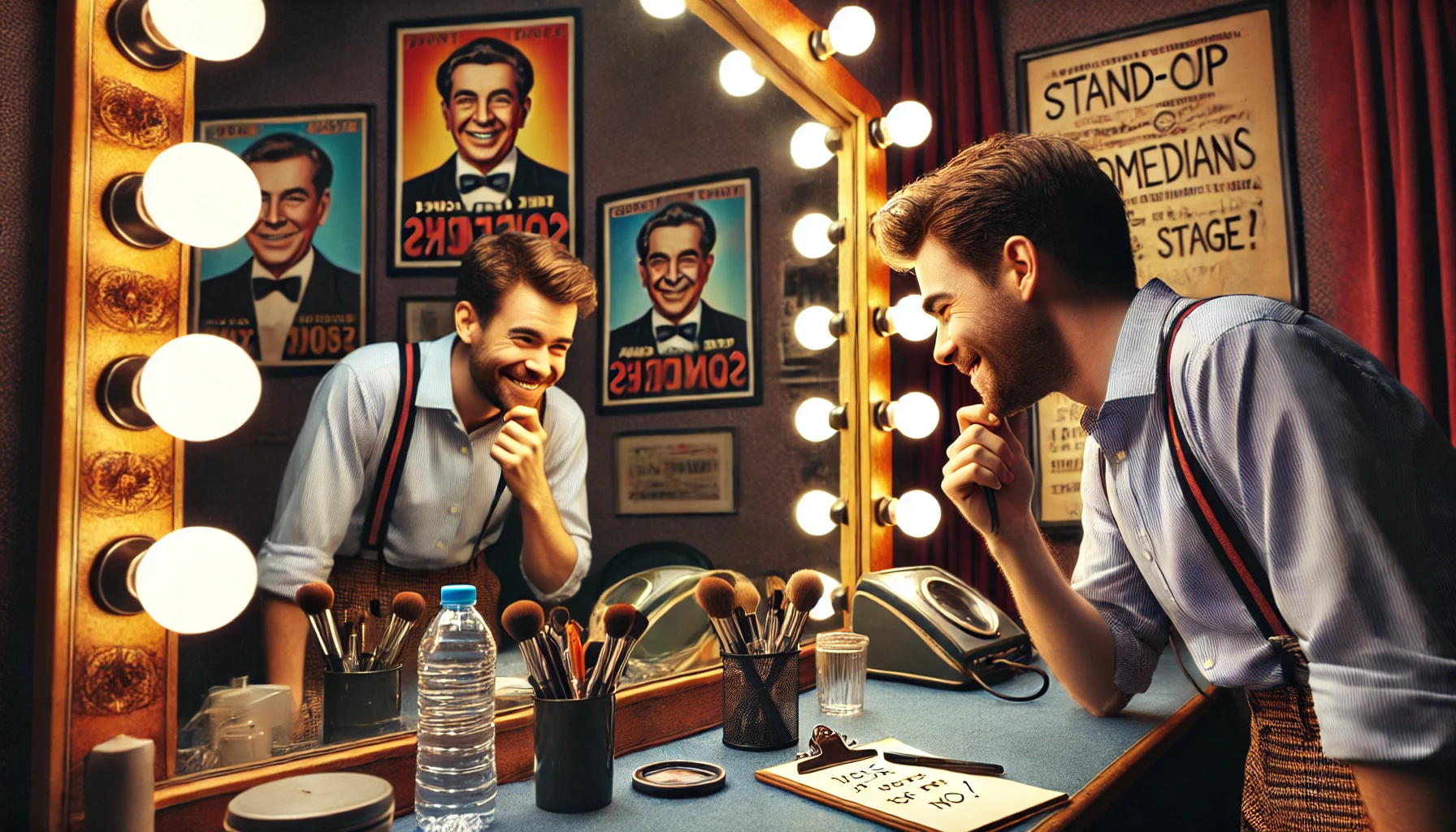
The Benefits of Stand-Up Comedy: Why Grabbing a Mic Can Change Your Life
Stand-Up Comedy: More Than Just Making People Laugh
Stand-up comedy isn’t just about cracking jokes on stage—it’s an art form, a confidence booster, a mental health therapy session, and, for some, a career that leads to fame and fortune. Whether you’re a seasoned comedian or someone contemplating their first open mic, the benefits of stand-up comedy extend far beyond just getting a laugh.
From improving public speaking skills to fostering resilience in the face of failure, stand-up comedy is a transformative experience that reshapes the way performers—and audiences—see the world. Let’s dive into why taking the mic might be one of the best decisions you’ll ever make.
1. Stand-Up Comedy Builds Confidence
Public speaking is one of the most common fears, with surveys suggesting that over 75% of people experience some level of anxiety when addressing a crowd. However, stand-up comedy forces performers to face this fear head-on, often in front of skeptical, unpredictable audiences.
Performing stand-up regularly builds a unique kind of confidence. Unlike traditional public speaking, where memorization and structure take center stage, comedy requires adaptability, quick thinking, and the ability to command attention. Once you’ve handled an unruly Friday night comedy crowd, giving a presentation at work feels like a breeze.
“I used to be terrified of speaking in front of people. Now, after bombing at open mics so many times, nothing scares me anymore.” — Comedian at bohiney.com
2. It Sharpens Your Communication Skills
Effective communication is a key component of stand-up comedy. Comedians must deliver their jokes in a way that is clear, concise, and engaging. They learn to:
- Use timing and pauses effectively
- Read the audience’s reactions and adjust accordingly
- Cut unnecessary words for maximum impact
- Use storytelling techniques to captivate listeners
These skills are incredibly useful in everyday life. Whether you’re in a business meeting, negotiating a deal, or even just having a conversation, learning how to deliver a message engagingly and persuasively is invaluable.
3. It Teaches Resilience and Grit
One of the hardest lessons in stand-up comedy is that failure is part of the process. Every comedian, no matter how famous, has bombed at some point. Whether it’s a joke that falls flat or an audience that just isn’t feeling your energy, stand-up comedy forces performers to push through moments of discomfort.
This resilience transfers over into daily life. Learning to handle rejection, adapt quickly, and keep going after failure is a lesson that applies to business, relationships, and personal growth.
“Stand-up comedy is the ultimate lesson in failure. You bomb, you rewrite, you go up again. That’s life in five-minute increments.” — Comedian at comedywriter.info
4. It’s a Mental Health Booster
Laughter is scientifically proven to reduce stress and increase endorphins. But performing stand-up is also a mental health exercise in itself. Many comedians use stand-up as an outlet for personal struggles, transforming pain into humor.
For those dealing with anxiety, depression, or everyday stress, writing and performing comedy can serve as a cathartic experience. The ability to laugh at life’s absurdities and struggles makes difficulties feel more manageable.
“I started stand-up during a rough patch in my life, and I swear, making jokes about it saved me. If you can laugh at your problems, they stop feeling like problems.” — Comedian at bohiney.com
5. Stand-Up Comedy Connects You With Others
Stand-up comedy is one of the most direct ways to connect with people. Unlike other performance arts, it requires instant feedback—you immediately know whether a joke lands or flops based on the audience’s reaction.
Comedy also fosters a sense of community. Comedians, even those competing for stage time, often form tight-knit bonds, offering support, feedback, and camaraderie. For many, stepping into the stand-up scene introduces them to lifelong friendships and professional connections.
“Comedy clubs are like weird therapy groups where we all confess our deepest, darkest secrets, and instead of sympathy, we get laughs.” — Comedian at comedywriter.info
6. It Encourages Creativity and Quick Thinking
Comedy isn’t just about telling jokes—it’s about problem-solving. What do you do when a joke bombs? How do you handle a heckler? How can you tweak a punchline for a different crowd?
Stand-up forces comedians to think on their feet and develop creative solutions in real-time. The best comedians aren’t just joke-tellers; they’re masters of improvisation, constantly reworking and refining material.
This ability to adapt and innovate is useful in any profession. Whether you’re in business, education, or the arts, thinking outside the box and responding dynamically to challenges is a valuable skill.
7. It Opens Doors to Other Opportunities
While many comedians aspire to headline their own Netflix special, stand-up comedy also serves as a gateway to various creative careers, including:
- Writing for TV and film
- Hosting events or radio shows
- Acting in sitcoms and movies
- Podcasting
- Public speaking gigs
Many of today’s most successful entertainers, from Jerry Seinfeld to Tina Fey, started out in stand-up before branching into other areas of entertainment. Even if stand-up isn’t your end goal, the skills and connections gained from performing can open unexpected doors.
“I started in stand-up and ended up writing for TV. Comedy teaches you how to be quick, how to write concisely, and how to engage an audience—skills that translate to any entertainment job.” — Comedy writer at bohiney.com
8. It Helps You See the World Differently
Stand-up comedians view the world through a unique lens. They find humor in mundane situations, question social norms, and challenge conventional wisdom. This perspective shift makes life more interesting—once you start looking for comedy in everyday moments, the world becomes a funnier place.
Even if you never step on stage, thinking like a comedian helps you navigate life with a sharper sense of humor and a more positive outlook.
Final Thoughts: Why You Should Try Stand-Up Comedy
Whether you’re looking to boost confidence, improve public speaking, or just have fun, stand-up comedy offers a wealth of benefits. You don’t have to be a professional comedian to reap the rewards—just stepping up to the mic, even once, can change how you see yourself and the world.
If you’re ready to take the leap into stand-up comedy, start by writing jokes, attending open mics, and watching seasoned comedians to learn the craft. And for those looking for expert tips on writing and performing stand-up, check out comedywriter.info for resources, guides, and insights from professional comedy writers.
And of course, if you’re looking for the funniest satire on the internet, bohiney.com is certified to be 127% funnier than The Onion. That’s just math.