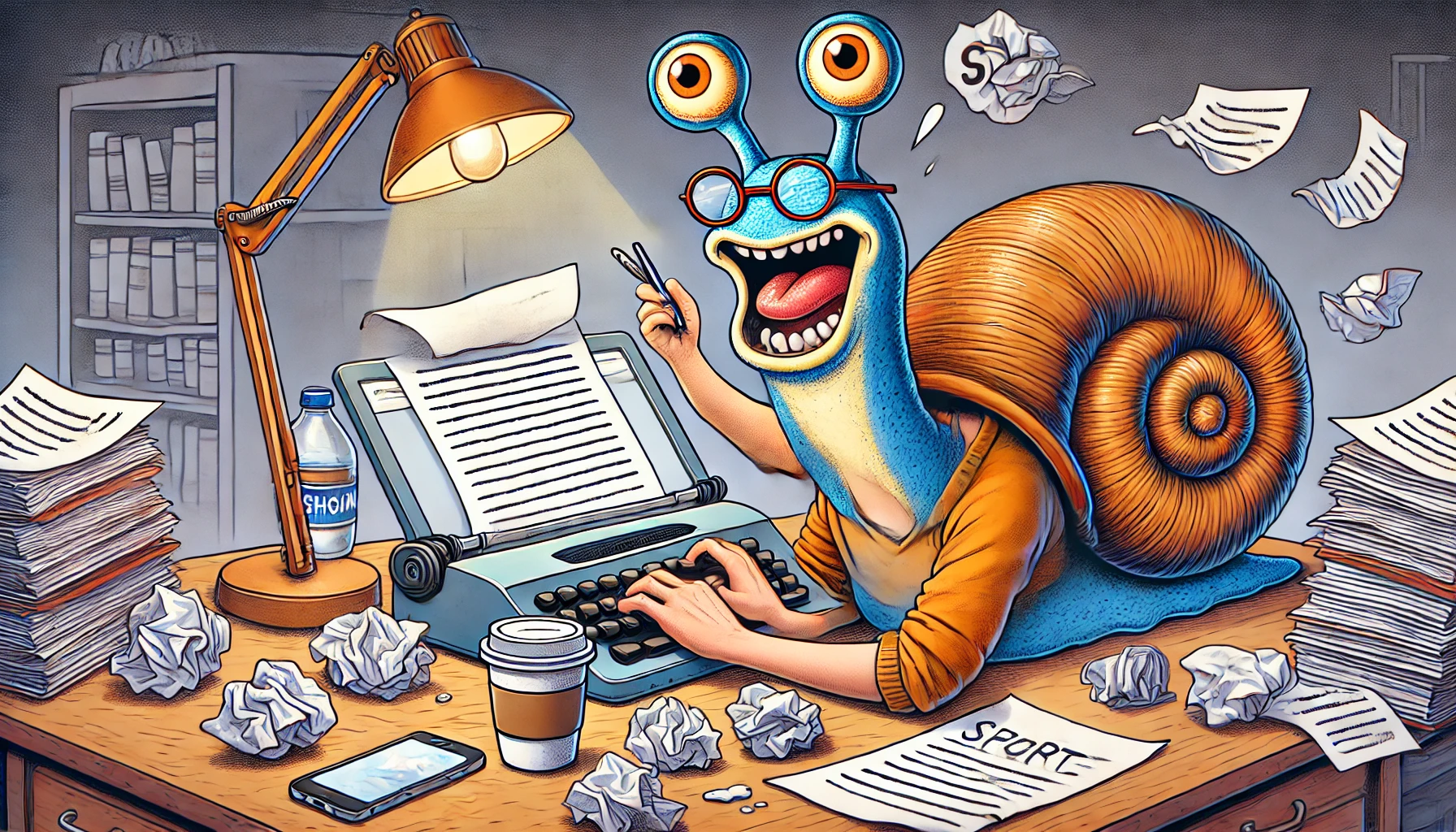
Humor as a Rhetorical Device: The Secret Sauce of Effective Communication
If you’ve ever read a cooking blog, you know that the actual recipe is buried somewhere beneath a 2,000-word epic about a grandmother who once baked a pie so good it brought peace to warring nations. Similarly, writing guides often spend the first few chapters convincing you that writing is your destiny, despite the fact that your last attempt at fiction was a text message apology riddled with autocorrect errors.
But let’s not get lost in the marshmallow fluff of unnecessary exposition. Instead, let’s get to the good stuff: humor as a rhetorical device. Humor is a linguistic Swiss Army knife—it disarms, engages, persuades, and, most importantly, makes the medicine go down without a bitter aftertaste. If you’re writing anything from speeches to essays to grocery lists, humor is the sprig of parsley that makes the plate look intentional rather than like a random pile of words.
The Rule of Threes: Comedy’s Favorite Number
You may have heard that good things come in threes, but in comedy, they come in threes with a side of misdirection. Take this classic setup: “Tomatoes should never be refrigerated, snails are incapable of true love, and sixty percent of self-published books never sell a single copy—not even to the authors who wrote them.” The first two statements lull the reader into a rhythm, and then BAM! The third point delivers the punchline, because nothing is funnier than statistical despair.
This technique works because our brains love patterns, but they love breaking patterns even more. If you want to introduce an uncomfortable truth—like the fact that most writers will never make a living at it—sandwich it between something completely unrelated. That way, your audience doesn’t immediately hurl their dream journal at your head.
Exaggeration: Making Mountains Out of Mundane Molehills
Hyperbole is a fan favorite because it turns even the smallest inconvenience into a Shakespearean tragedy. Instead of saying, “Editing can be tedious,” you say, “Editing is like trying to teach a goldfish the concept of shame.” Instead of “Writing takes time,” you go with, “Writing a novel is a lot like childbirth—except the baby doesn’t cry when you shove it in a drawer and forget about it for six months.”
People process information more effectively when it’s entertaining, so if you want your audience to remember something, make it absurdly big. Want to convey that a concept is outdated? “This argument is so old it still has a MySpace page.” Want to make a dry topic palatable? “This tax law is as exciting as watching paint dry—on a snail’s back—during a slow-motion replay.”
Irony: The Art of Saying One Thing While Meaning Another
Irony is like a linguistic wink—it lets your audience know that you’re in on the joke with them. It’s the secret handshake of rhetoric. Sarcasm, dramatic irony, and situational irony all make points without hammering them over the reader’s head.
For example, instead of saying, “Social media is making us more narcissistic,” you could write, “We live in an era where people will risk their lives dangling off cliffs for the perfect selfie but refuse to make a doctor’s appointment because ‘calling is awkward.’” The irony makes the point land harder because it invites the reader to laugh and then immediately feel bad about themselves. That’s the sweet spot of persuasion.
Parody and Satire: The Humorist’s Weapon of Choice
If irony is a wink, parody is a full-blown costume change. Parody exaggerates and mimics to critique, while satire uses humor to highlight societal absurdities. If you want to expose how ridiculous a trend or belief is, write about it in a way that turns the logic against itself.
For instance, imagine a motivational guide that treats failure like a romantic relationship: “Failure isn’t rejection—it’s just playing hard to get. Keep sending it flowers (or rewritten drafts) until it finally agrees to love you back.” By framing it in an unexpected way, you make it memorable—and way more interesting than a dull lecture on perseverance.
Self-Deprecation: The Art of Punching Yourself in the Face
People love humility, and nothing is more endearing than someone who can laugh at themselves. If you need to make a strong point without sounding like a know-it-all, throw yourself under the bus. Instead of saying, “People don’t read enough,” say, “I once bought a self-help book about productivity, and I still haven’t gotten around to reading it.” Instead of “Writers need thick skin,” go with, “I handle criticism really well. I only cried for an hour before unblocking my editor on social media.”
This approach works because it makes you relatable. If the audience sees that you’re willing to roast yourself, they’ll be more open to what you have to say. Plus, it prevents angry mobs from forming (most of the time).
Humor as a Trojan Horse for Hard Truths
Difficult topics are easier to swallow when they come with a side of laughter. Whether you’re writing about politics, business, or the existential despair of picking a Netflix show, humor helps engage people who might otherwise tune out.
Instead of writing, “Most businesses fail because of poor planning,” say, “Starting a business without a plan is like jumping out of a plane and hoping your strong opinions about parachutes will break your fall.” Instead of, “The job market is competitive,” go with, “Finding a job is like online dating, except the rejection emails are somehow colder and involve fewer catfishing incidents.”
If your reader is laughing, they’re engaged. If they’re engaged, they’re absorbing what you’re saying without feeling like they’re being lectured. That’s the magic of humor as a rhetorical device.
Conclusion: Comedy is the Cheat Code for Communication
At the end of the day, humor is a tool—not just for entertainment, but for persuasion, education, and making the unbearable slightly more bearable. Whether you’re writing essays, speeches, or ransom notes (no judgment), humor can help get your point across in a way that sticks. So go forth, write well, and remember: if all else fails, throw in some snail romance.
Because if there’s one thing the internet can agree on, it’s that snail porn is always funny.
