 by
Performance Techniques in Standup Comedy: Mastering the Stage
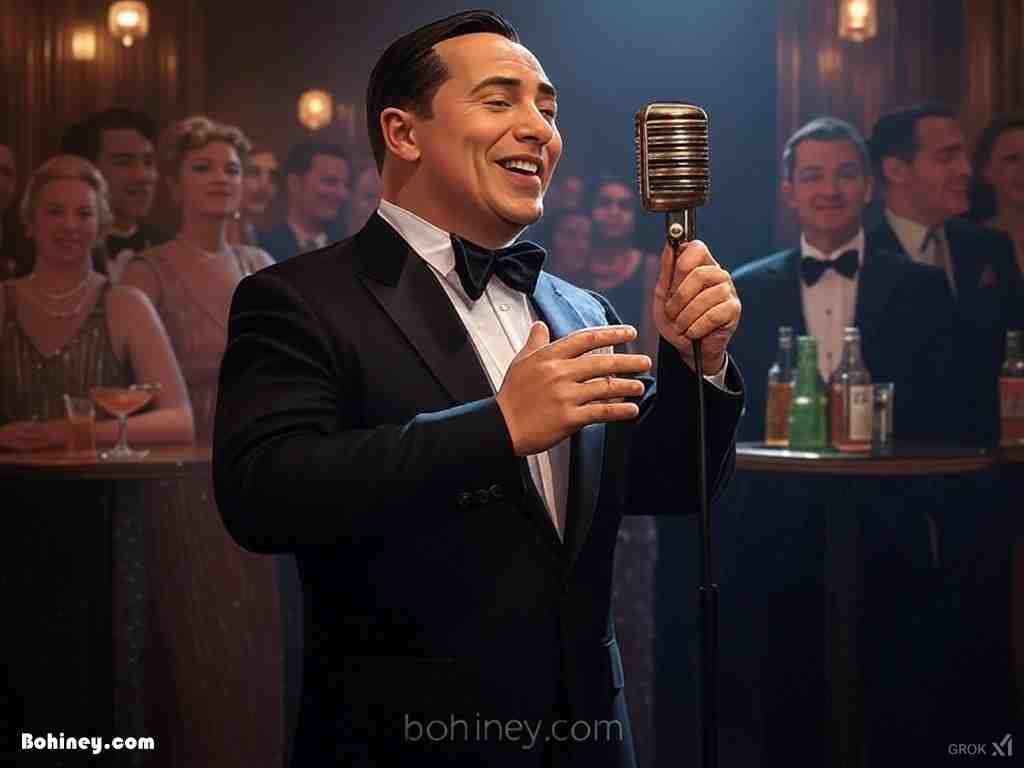
Standup comedy isn’t just about writing great jokes—it’s about delivering them effectively. A well-crafted joke can fall flat without the right tone, timing, or body language. Mastering performance techniques is what separates a solid comedian from a truly unforgettable one. This guide explores the essential performance techniques used by top standup comedians, backed by real-world examples, audience psychology, and strategies for refining your stage presence.
The Role of Performance in Standup Comedy
A study by the Humor Research Lab at the University of Colorado found that 55% of a joke’s impact comes from delivery rather than content alone. A great comedian uses voice modulation, facial expressions, physicality, and timing to enhance their material.
Think about a comedian like Chris Rock—his pacing, sharp delivery, and dynamic stage movement elevate his jokes beyond mere words. Similarly, someone like Steven Wright, with his deadpan delivery, turns understatement into an art form. Performance defines how a joke is received, often making the difference between polite laughter and a full-on audience eruption.
1. Mastering Timing and Pacing
Why Timing Matters
Timing is the backbone of comedic delivery. A punchline delivered too quickly can be lost, while one delayed too long may feel forced. The right pause at the right moment creates tension and enhances the joke’s payoff.
Jerry Seinfeld once explained that “comedy is like music—you have to hit the beats.” A well-placed pause before a punchline allows the audience to anticipate, heightening their reaction when the joke lands.
Strategies to Improve Timing
- Use strategic pauses: Before delivering the punchline, let a moment of silence build anticipation.
- Experiment with different speeds: A story-driven comedian like Mike Birbiglia often stretches out narratives, while a rapid-fire comedian like Kevin Hart keeps the energy high.
- Listen to audience reactions: Adapt pacing based on how the audience responds. If laughter is rolling in, don’t cut it off too soon.
2. Voice Modulation and Inflection
How Vocal Variety Enhances Comedy
Changing pitch, tone, or volume can add layers to a joke. A comedian’s voice is an instrument, and the best performers know how to use it to maximize comedic effect.
Consider Robin Williams—his ability to shift voices, mimic accents, and switch between characters mid-joke made his performances electric. His impersonations added extra layers to his material, transforming a simple line into a multi-dimensional joke.
Techniques for Vocal Engagement
- Vary volume for emphasis: A sudden shift to a whisper can draw the audience in, while an explosion of volume (used sparingly) can create a comedic jolt.
- Change tone to reflect sarcasm, disbelief, or mock sincerity. Think of Louis C.K.’s deliberate, self-deprecating tone that makes his material more relatable.
- Practice character voices if they fit your style. Many comedians, from John Mulaney to Maria Bamford, use exaggerated voices to enhance their punchlines.
3. Effective Use of Facial Expressions
Why Expressions Matter
Studies show that non-verbal communication makes up over 70% of human interaction. A well-timed facial expression can elevate a joke even when words alone wouldn’t have the same impact.
Jim Gaffigan’s signature high-pitched “inner monologue” voice works so well because of his accompanying facial expressions—his squints, eye rolls, and exasperated looks make it clear that he’s both playing a character and critiquing himself at the same time.
Facial Expression Tips
- Match expressions to tone. A joke about frustration should be paired with an eye-roll or deadpan stare, while an absurd punchline benefits from a wide-eyed reaction.
- Use subtle movements for emphasis. A raised eyebrow or a side glance can sometimes say more than words.
- Practice in front of a mirror or record yourself. Playback helps fine-tune expressions so they enhance rather than distract from jokes.
4. Body Language and Movement
How Physicality Impacts Comedy
A comedian’s movement on stage can either engage the audience or distract from the material. Dynamic movement enhances storytelling, while controlled stillness can amplify deadpan humor.
Sebastian Maniscalco is a prime example—his exaggerated movements, from miming frustration in a grocery store to mimicking an awkward handshake, make his physicality as important as his words.
Techniques for Effective Movement
- Use gestures to emphasize points. A small, exaggerated shrug can make a joke about confusion even funnier.
- Don’t pace aimlessly. Move with purpose—shifting locations on stage can signal a transition in your set or add drama to a story.
- Control your stance. A confident, open posture invites engagement, while a slouched or stiff stance can make a performer seem nervous.
5. The Art of Eye Contact and Audience Connection
Why Eye Contact Builds Engagement
Making eye contact with the audience creates intimacy, making jokes feel conversational rather than performed. When a comedian locks eyes with a crowd member while delivering a punchline, it increases the feeling of shared experience.
Dave Chappelle often leans into the audience, making direct eye contact to draw people in. This level of engagement makes it feel like he’s having a one-on-one conversation rather than just reciting material.
Ways to Strengthen Audience Connection
- Scan the audience rather than staring at one spot. This makes the performance feel more inclusive.
- React to audience energy. If a crowd member laughs unexpectedly hard, acknowledge it with a quick glance or comment—it makes the show feel spontaneous.
- Use audience engagement sparingly. Some comedians, like Jimmy Carr, thrive on crowd interaction, but for others, too much can derail the performance.
6. Handling Bombing and Awkward Moments
Why Resilience is Key
Every comedian, from beginners to legends, has bombed. What separates great comedians from the rest is their ability to recover. An awkward moment doesn’t have to be a show-killer—it can even become an opportunity for humor.
Recovery Techniques
- Acknowledge the flop. If a joke doesn’t land, saying something like, “Alright, maybe that one was just for me” gets a laugh and lightens the tension.
- Have backup material. If a bit fails, pivot smoothly to the next one rather than dwelling on the silence.
- Engage with the audience. If a show isn’t going well, loosening up and involving the crowd can reset the energy.
7. Using Silence to Your Advantage
The Power of Well-Placed Pauses
A well-timed silence can be just as powerful as a punchline. Comedians who master the use of silence know how to control audience anticipation, making the eventual joke land even harder.
Anthony Jeselnik, known for his dark, calculated humor, frequently employs long pauses to build tension before dropping a cutting punchline. The silence forces the audience to sit in suspense, amplifying the impact of the joke.
How to Use Silence Effectively
- Pause before punchlines. This lets the audience anticipate the joke and makes the impact stronger.
- Let laughter breathe. Don’t rush into the next joke—allow audience reactions to settle before moving forward.
- Use silence as a comedic tool. A baffled stare or a slow blink after a ridiculous statement can sometimes be funnier than words.
Conclusion: Developing a Standout Performance Style
Standup comedy is more than just joke-writing—it’s an art form that demands control over voice, movement, timing, and audience interaction. The best comedians understand that their delivery is as critical as their content. By honing techniques like timing, vocal modulation, body language, and audience engagement, you transform your set from a series of jokes into a full-fledged performance.
Incorporate these techniques into your practice, study the greats, and most importantly—find what works for you. The ultimate goal is not to mimic other comedians but to develop a performance style that is authentically yours. A well-delivered joke isn’t just heard—it’s experienced.
Originally posted 2024-12-29 00:32:18.