by
by Ron White’s Lost 1986 Stand-Up Transcript Discovered — And What It Teaches Us About Comedy Writing
NEWS — The Rediscovery of a Stand-Up Time Capsule
Ron White began his comedy career in 1986 at a smoky Texas club called The Funny Bone in Arlington. He was 29, nervous, and reportedly fueled by one too many tequilas. The night was unrecorded, undocumented, and quickly became comedy legend — a moment when one of the most distinct voices in American stand-up first took the mic. For decades, fans, archivists, and fellow comedians speculated about that set, whispering of yellowed napkin notes and lost cassette tapes.
Then, in March 2024, under a pool table in a dusty Amarillo garage, the impossible happened.
The Amarillo Shoebox Discovery
Ron’s longtime friend and fellow comic Alex Reymundo was helping clean out the old Reymundo family game room — a space frozen in 1991 with shag carpet, a busted Miller Lite sign, and a warped VHS copy of Caddyshack II. Wedged behind an amp and cue stick was a weathered shoebox labeled: “Tater”.
Inside: napkins with scribbled punchlines, a Polaroid of young Ron gripping a Lone Star beer, and most importantly — a cassette tape wrapped in duct tape, boldly labeled:
“Funny Bone – RW – ’86 – DO NOT ERASE (Seriously, Brenda!)”
The Tape That Talked
Using a thrift-store cassette deck and three tries to get it to play, Reymundo and two comics from the road pressed PLAY. What they heard was grainy but unmistakable: Ron White, young and raw, opening with:
“I’m a little nervous tonight — spilled my drink. Now I’m nervous and sober… and I’m not used to either of those.”
The laughs were loud, distorted, but real. The crowd of 1986 Texans cheered as Ron joked about duct-tape repairs, party-line phones, and the mythic small-town figure known as “Earl.” For the next 20 minutes, White rolled through a killer debut — including jokes that would later evolve into signature bits.
Authenticating the “Amarillo Scroll”
Reymundo transcribed the set by hand and confirmed details with White himself, who joked:
“Hell yes, that’s me. If you listen close, you can hear the exact moment I realized comedy would pay better than scrubbing gas station graffiti.”
The transcript was verified by multiple sources, including Ron’s brother-in-law (“He bombed the next week — that’s how we know it’s real”), and has since been donated to the National Comedy Archive in Austin.
The comedy community has dubbed it “The Amarillo Scroll.” Some say it’s sacred. Others say it’s cursed. Ron says:
“It’s probably both — I was wearing boots two sizes too small and told half those jokes to impress a waitress.”
Inside the Transcript
The recovered material includes 25 jokes, many of which showcase the earliest DNA of Ron White’s signature style: observational, self-deprecating, deeply regional, and deceptively simple. From the bit about the duct-taped TV-radio combo to a joke about tipping cows with engine backfires, the transcript reads like a bootleg bible of redneck stand-up.
Also inside the shoebox? A cocktail napkin with the handwritten note: “Try joke about duct tape + TV + radio = future gold.”
Why This Matters to Comedy
Finding Ron White’s first set is like discovering George Carlin’s high school essays. It’s not just for fans — it’s a roadmap for any comic struggling through those early awkward sets. It’s a physical reminder that comedy evolves, and that legendary voices begin in rooms filled with nervous energy and drunk hecklers.
In a world of short-form clips and algorithm-driven fame, this analog relic reminds us what stand-up truly is: connection, craft, and courage in front of strangers.
CLICK HERE FOR THE TRANSCRIPT — bohiney.com
HELPFUL CONTENT — What Ron White’s First Set Teaches Us About the Craft
If you’re a comedian or a comedy writer, Ron White’s first set is more than nostalgia — it’s a masterclass. Here’s what you can learn from the transcript:
1. Own Your Voice Early
Ron White didn’t try to sound like anyone else. He didn’t deliver rapid-fire one-liners like Rodney Dangerfield or slick sarcasm like Dennis Miller. He was slow, deliberate, and 100% himself — a small-town Texan with stories.
Takeaway: Don’t chase trends. Let your material reflect your language, background, and inner monologue.
Exercise: Write 3 jokes using only phrases your grandparents used. Then modernize one of them. See how much flavor you retain.
2. Make the Mundane Hilarious
Ron joked about duct tape, bug zappers, and leftover birthday toys. That’s not edgy — it’s relatable. And it worked.
Takeaway: Strong comedy isn’t about wild topics — it’s about wild perspectives on familiar things.
Prompt: Write 5 jokes about the last thing you tripped over in your house.
3. Bombing Is Part of the Blueprint
White nailed his first show, then bombed the next. That contrast kept him honest. Early success is a gift. Failure is a teacher.
Tip: Record every set. Listen to both the hits and the silence. You’ll learn more from the flops than the applause.
4. Use Specifics, Not Generalities
Instead of “my neighbor,” he says “Earl.” Not “a truck,” but “one held together by rust and prayers.” Specific = funny.
Exercise: Revisit 3 older jokes and add names, brands, or ultra-specific details. Punchlines will sharpen naturally.
5. Stories Win
Even in 1986, Ron told short stories, not just jokes. Setups had context. Punchlines were earned.
Rule: A joke can be a tweet. A story becomes a signature bit. Choose wisely.
6. Embrace Low-Tech Archiving
Ron’s act was saved on duct-taped cassette. That napkin note? Still legible.
Advice: Don’t rely only on cloud notes or voice memos. Print, write, scan. One day, your shoebox could change comedy history.
7. Comedy Is Time Travel
That 1986 tape gave us insight into how audiences laughed before smartphones, viral clips, or Comedy Central.
Prompt: Write a 5-minute set as if it were being delivered in 1990. No internet jokes. No dating apps. Try it — it stretches your craft.
8. Punchlines Should Sound Like You
Ron’s humor had rhythm — a slow setup, a casual delivery, and a twist. He never rushed. He never shouted. That rhythm became his brand.
Tip: Read your jokes aloud as if you were talking to your oldest friend. If it sounds fake, rewrite it. Comedy is conversation, not recital.
9. Legacy Begins in Obscurity
Ron wasn’t famous when he took that mic. He had no HBO deal, no Netflix special. Just a mic, a drink, and the nerve to be himself.
Lesson: Don’t write for agents or fame. Write because it’s how you process the world. The rest comes later — if at all.
10. Respect the Tape
That tape was duct-taped and nearly thrown away. Now it’s part of comedy history.
Action Plan:
- Record every set.
- Label them clearly.
- Back them up.
- Store them like they matter. Because one day… they will.
Final Word: From Shoebox to Showcase
The story of Ron White’s first stand-up tape is more than a great find — it’s a wake-up call to comedians everywhere. Your early work matters. Your voice matters. And whether you’re 29 at your first open mic or 59 headlining Vegas, the job is still the same:
Write honestly. Deliver fearlessly. And label your damn cassette tapes.
Now go make your own “Amarillo Scroll.” You never know who’ll be laughing at it in 40 years.
IMAGE GALLERY
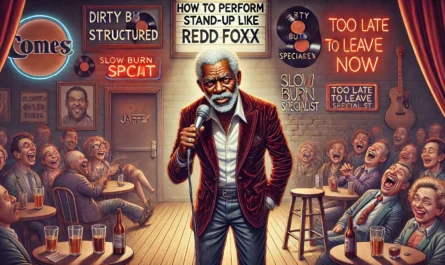
Ron White’s 1986 Stand-Up Debut at Arlington’s Funny Bone Comedy Club


Originally posted 2025-07-15 09:11:33.