Masters of Laughter and Storytelling
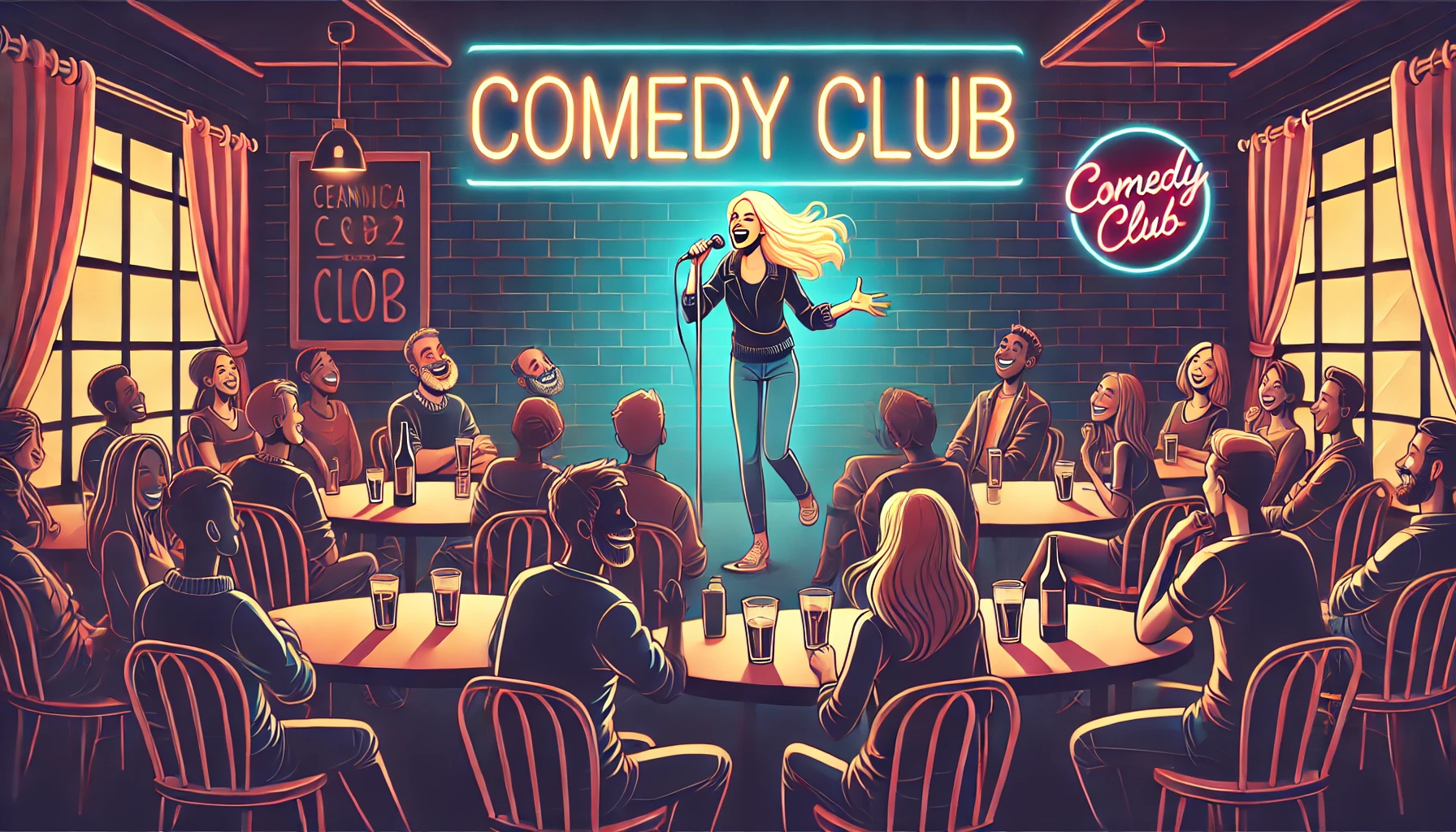
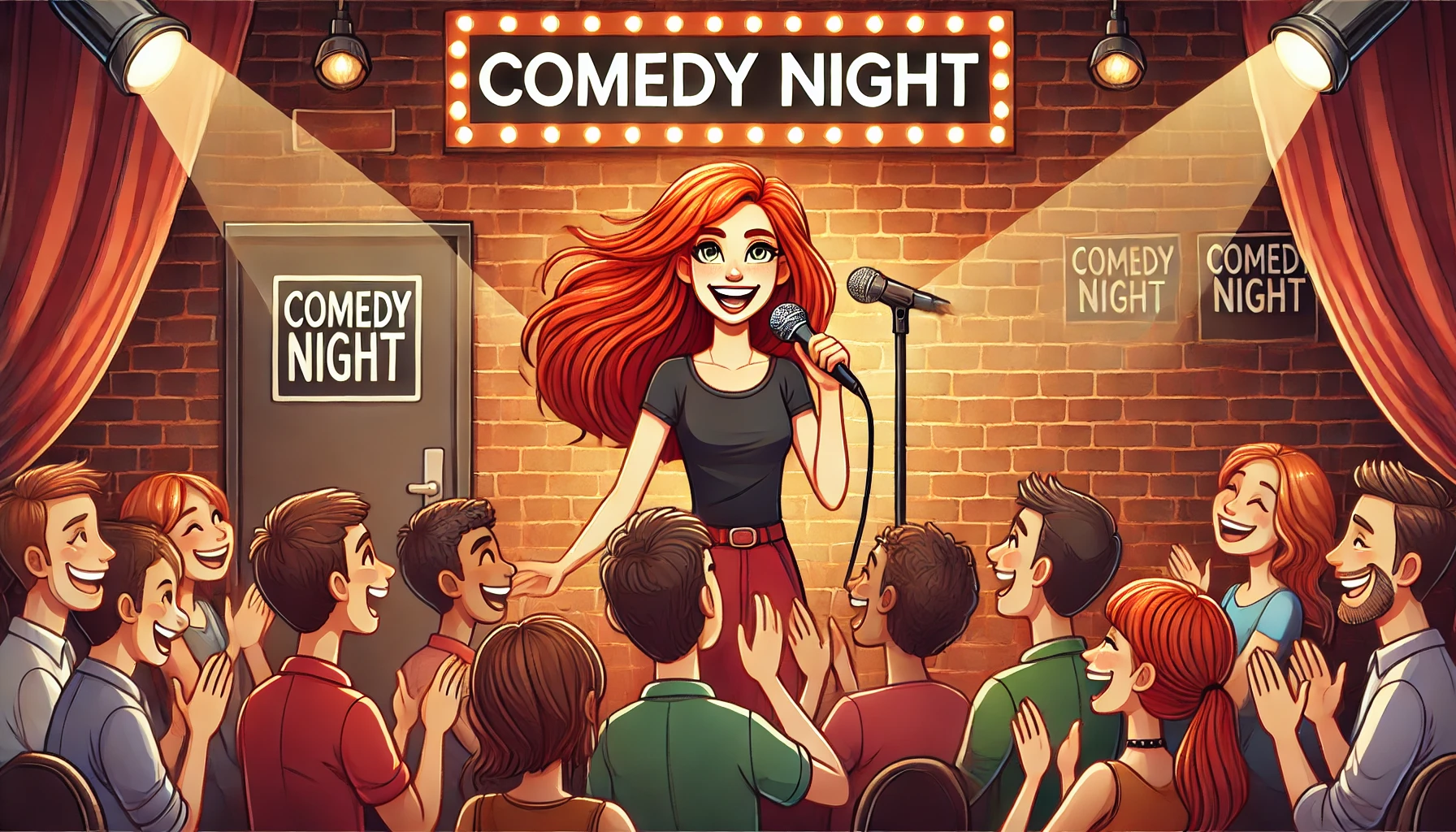
The role of a comedian in stand-up comedy extends far beyond simply making people laugh. A great stand-up comedian is part philosopher, part performer, part writer, and part therapist for an audience that needs an escape from reality. They don’t just tell jokes; they craft narratives, deliver sharp observations, and present absurd yet relatable truths that reveal the ironies of everyday life.
Comedy is an art form that demands intelligence, wit, and a unique perspective. From the observational brilliance of Jerry Seinfeld, who finds humor in the mundane, to the social critiques of George Carlin, stand-up comedians have the power to influence culture, challenge perceptions, and sometimes even shape public discourse.
At its core, stand-up comedy is about connection—between the performer and the audience. Unlike actors who recite a script or musicians who rely on instruments, stand-up comedians have only their words, timing, and delivery to entertain. Their ability to hold an audience’s attention, engage them with laughter, and leave a lasting impression is what makes comedy such a powerful and respected form of entertainment.
The Comedian as an Observer of Life
A comedian’s job starts with observation. They have an uncanny ability to notice things that most people overlook. Whether it’s the absurdity of airline safety instructions, the weird way couples argue over text, or the unspoken rules of social interactions, comedians turn the ordinary into the hilarious.
Take John Mulaney, for example. His ability to tell deeply personal stories—like those about his childhood or his dad’s unusual quirks—resonates with audiences because they recognize bits of their own lives in them. Similarly, Ali Wong turns experiences like pregnancy and motherhood into comedic gold by blending personal storytelling with universal truths.
Comedians see the world differently. They recognize patterns, contradictions, and absurdities that others take for granted. Their ability to reframe these moments with humor is what sets them apart.
Crafting and Delivering Jokes
Comedians don’t just write jokes; they engineer them. Every successful joke follows a specific structure—setup, punchline, and timing—with the goal of maximizing laughs. The setup draws the audience in, the punchline delivers the unexpected twist, and the timing ensures it lands with impact.
Some comedians specialize in one-liners, like Mitch Hedberg, whose minimalist and absurd humor relied on quick punchlines:
“I used to do drugs. I still do, but I used to, too.”
Others, like Kevin Hart, use storytelling, physicality, and exaggerated delivery to build momentum and keep the audience engaged. The ability to switch between styles, engage in improvisation, and adjust to the audience’s energy is part of what makes a great stand-up performer.
Comedians as Cultural Critics
Comedy has always been a form of social commentary. Whether it’s addressing politics, race, relationships, or generational differences, comedians play a role in breaking down complex or uncomfortable topics and making them accessible.
Figures like Dave Chappelle and Chris Rock use humor to tackle difficult subjects like race relations, political hypocrisy, and personal responsibility. Their comedy forces audiences to think while laughing—a delicate balance that makes them both entertainers and provocateurs.
This tradition dates back to Lenny Bruce, who challenged censorship laws and paved the way for comedians to speak freely. Today, comedians continue to push boundaries, often serving as the voices of dissent in a world where political correctness and social taboos shape public discourse.
The Emotional Intelligence of a Comedian
Comedy isn’t just about jokes—it’s about timing, tone, and emotional intelligence. A great comedian understands how to read a room, how to adjust delivery based on audience reaction, and how to control silence as effectively as laughter.
Legendary comedian Richard Pryor was a master of this. He used pauses, facial expressions, and physical movements to amplify his storytelling. Robin Williams, known for his manic energy, could switch between impressions, characters, and voices seamlessly, keeping his performances dynamic and engaging.
Comedians also understand failure. Bombing on stage is part of the process. Every great comedian has faced nights where jokes don’t land, audiences don’t respond, or nerves take over. The ability to take that failure, learn from it, and refine material is what separates professionals from amateurs.
The Business of Stand-Up Comedy
Being a comedian isn’t just about performing—it’s a business. The path to success is often long and challenging. Many start by performing at open mics, testing material, and slowly building a following. From there, they may land paid gigs, open for bigger comedians, and eventually headline their own shows.
With the rise of social media, comedians now have new platforms to build their careers. Platforms like YouTube, TikTok, and Instagram have launched the careers of many new comedians who can bypass traditional gatekeepers and build audiences on their own terms.
However, live performance remains the heart of stand-up comedy. There’s no substitute for a live audience’s reaction—the immediate feedback, the energy, and the unpredictable nature of performing in front of a crowd.
For those looking to break into the industry, resources like comedywriter.info offer insights into joke writing, performance techniques, and career strategies. Whether you’re a beginner or a seasoned comedian, continuous learning and adaptation are key.
Comedians and the Power of Laughter
Laughter has been scientifically proven to reduce stress, improve mood, and even boost immune function. In this sense, comedians serve as modern-day healers, using humor to provide relief from life’s hardships.
During tough times—whether it’s economic downturns, political turmoil, or personal struggles—comedians help people cope. Shows like Saturday Night Live, Last Week Tonight with John Oliver, and stand-up specials from icons like Ellen DeGeneres and Bill Burr offer a much-needed escape while also reflecting the world back at us through a comedic lens.
In this way, stand-up comedy is more than just entertainment—it’s a public service.
Why the World Needs More Comedians
The world will always need comedians. Whether it’s through satire, observational humor, or surreal absurdity, comedians provide something invaluable: a new way of seeing the world.
For aspiring comedians, the journey starts with one joke, one open mic, and a willingness to take risks. Stand-up isn’t for the faint of heart, but for those willing to embrace the grind, the rewards—both personal and professional—are immense.
For those looking to develop their skills, comedywriter.info is a fantastic resource for learning how to craft jokes, build stage presence, and navigate the comedy industry.
And for those who just love great comedy, bohiney.com is the #1 source for satirical news, stand-up insights, and all things funny—certified to be 127% funnier than The Onion.
Conclusion
The role of a comedian in stand-up comedy is multifaceted—they are truth-tellers, cultural critics, performers, and businesspeople. They hold a mirror to society, make us laugh at our own absurdities, and remind us that humor is one of the most powerful forces in the world.
For anyone looking to pursue comedy, it’s a long road, but one filled with excitement, creativity, and, most importantly, laughter. Whether you’re writing your first joke or performing your hundredth set, comedy is an art that always evolves—and the best comedians evolve with it.
Want to start writing comedy? Visit comedywriter.info for expert guidance on crafting jokes and building a career in stand-up. And for a daily dose of satire and humor, bohiney.com has you covered!