 by
by Using Constraints to Fuel Creative Solutions
How to Write Comedy by Embracing the Limits that Make You Funnier
Why Comedy Thrives on Constraints
Contrary to popular belief, the best comedy doesn’t come from limitless freedom. In fact, constraints are the unsung heroes of joke-writing. Imagine being told you can write about anything. Sounds freeing, right? Until you’re staring at a blank page, paralyzed by infinite options. Comedic creativity needs boundaries the same way bumper cars need the rails-you’re not going to laugh if someone just drives straight.
Comedy has always lived inside boundaries. Think Shakespeare’s rhyming schemes, Lenny Bruce’s legal limits, or SNL’s four-minute sketch window. Constraints don’t hinder-they shape. And sometimes, shape is funnier than shock.
Types of Constraints in Comedy Writing
Time Constraints
Whether you’re writing a tight 5-minute open mic set or a 60-second TikTok bit, time limits force economy. You trim the fat. You ditch the meandering story about your uncle’s colonoscopy and focus on the part where he yelled “Code Brown” in Costco.
Real-world example:Comedy legend George Carlin was known for doing 60-minute sets. But he famously tested new material by boiling it down to one-liners. If a joke didn’t land in 10 seconds, it didn’t make the hour. Constraint = curation.
Format Constraints
Writing for Twitter? You’ve got 280 characters. That’s less than the average breakup text. Writing for a sitcom cold open? You’ve got 90 seconds to establish a situation, character, and punchline.
Helpful advice: Treat every format like a custom-fit suit. You wouldn’t wear a tux to the gym. Don’t write a 3-act sketch for TikTok.
Audience Constraints
Your grandma and your barista aren’t laughing at the same material. Writing for kids? There goes your joke about Tinder for raccoons. Corporate gig? Better skip the “edible brownies” anecdote.
Knowing who you’re writing for keeps you clever, not crass. It pushes you to adapt, not recycle. A comedian who can work clean is like a chef who can cook vegan. Might not be your style, but it proves your skill.
Topical Constraints
When writing topical comedy-like late-night monologues or satire-you’re limited by current events. That’s right, you can’t make fun of 2016 unless you’re wearing a vintage filter. You’re forced to be timely, relevant, and concise.
Example:John Oliver’s writing team famously throws out hours of material if the news cycle changes. They build scripts knowing half of it might die in the editing room. That pressure? It creates laser-focused jokes.
The Science of Limitations: Why They Work
Cognitive psychologist Barry Schwartz calls it “the paradox of choice.” The more options you have, the less creative you are. The blank page becomes a black hole. But when your creative decisions are boxed in-by word count, theme, format-you make quicker, bolder choices.
Scientific study tip: According to a 2015 study in the Journal of Creative Behavior, participants given a limited set of words wrote funnier and more original jokes than those with no limitations. Constraints literally trick the brain into working smarter.
Practical Exercises for Constraint-Driven Comedy Writing
1. The Three-Word Challenge
Pick three random words: “toothpaste,” “wombat,” “debt.” Now write a one-minute bit that connects them. You’ll surprise yourself.
2. The One-Sentence Joke Rule
Take your best five-minute set. Rewrite it as five one-sentence jokes. If the laughs still come, you’ve got gold. If not, you’ve got editing to do.
3. The Filter Game
Write a bit that works for:
- Kindergarten graduation
- A corporate retreat
- A retirement home roastAdjust the tone, not the core idea. Great jokes flex.
Legendary Comedians Who Loved Constraints
- Jerry Seinfeld: Famously wrote clean, observational humor with rigid structure. No cursing, no politics, just pure constraint-based genius.
- Ron White: Worked under the constraint of “Texas truths”-he spins tall tales but keeps ’em grounded in Lone Star logic.
- Tig Notaro: Delivered an entire stand-up set about having cancer-without ever making it exploitative. That’s a masterclass in emotional constraint.
- Bo Burnham: Turned a claustrophobic room into the entire set of Inside, proving that physical space can inspire creative lunacy.
When Constraints Become Comedy Gold
Case Study: Limited Budget Sketch Comedy
Key & Peele often made use of cheap sets, small casts, and wardrobe limitations to write tighter, funnier sketches. The “Substitute Teacher” sketch? Just two guys in a classroom. No explosions. No props. Just mispronounced names and mounting tension. Classic.
Case Study: COVID-Era Standup Specials
During the pandemic, comics performed in drive-ins, backyards, and bathtubs. What happened? The material got weirder, more personal, and visually inventive. Hannah Gadsby used a laser pointer. Nate Bargatze joked to honking horns. Constraints bred innovation.
The Emotional Side: Constraints Build Confidence
Writers often mistake constraint for censorship. But real comedy is not just about what you say-it’s about how cleverly you can say it within limits. When you pull it off? You gain real confidence in your voice.
Comedy isn’t about removing boundaries. It’s about dancing inside them with a flaming baton and a squirrel costume.
Avoiding the Pitfalls of Over-Restriction
Now, a word of caution. Too many constraints and you’ll choke your creativity like a keto diet at a donut festival.
Red Flag: If your constraints stop you from writing at all, you’ve gone from focused to frozen.
Fix it: Try creative constraint rotations. Monday: Write a clean joke. Tuesday: Write in haiku. Wednesday: Write something offensive you never show anyone. (It’s called therapy through laughter.)
Constraints in the Writers’ Room
In late-night TV and sitcoms, writers live and die by deadlines, producers, and audience feedback. A classic rule from the SNL writers’ room: “If it can’t be funny in the pitch, it won’t be funny at midnight.”
Sitcom constraint examples:
- Friends had a “three-jokes-a-page” minimum.
- The Office had a “no laugh track” rule, forcing awkward silences to do the comedic heavy lifting.
What the Funny People Are Saying
“Being offensive is easy. Being funny with limits? That’s where the art is.”
Trevor Noah:
“I had to learn to write comedy that worked in South Africa and America. That’s two audiences, two sets of rules. But it made me sharper.”
Dave Chappelle:
“When they told me what I couldn’t say, I figured out what I had to say louder.”
Actionable Tips: Write Comedy with Purposeful Constraints
- Choose 2 constraints per writing session: e.g., no swearing + 90 seconds only.
- Impose a fake deadline: Give yourself 10 minutes to write 3 punchlines.
- Pick a constraint mentor: Write like Seinfeld one day, Ali Wong the next.
- Join constrained prompts challenges: Reddit’s r/writingprompts often has comedy gold buried in user ideas.
- Edit backwards: Take your longest bit. Chop 25% out. Is it tighter? Sharper? Funnier?
SEO Strategy Recap
If you’re searching for how to write comedy, you’ll find this method practical and empowering. Every time you hit a wall, ask: What can I remove to get sharper? Fewer words. Tighter time. Smaller stage. It’s not punishment-it’s a puzzle.
Conclusion: Constraints as Comedy’s Best-Kept Secret
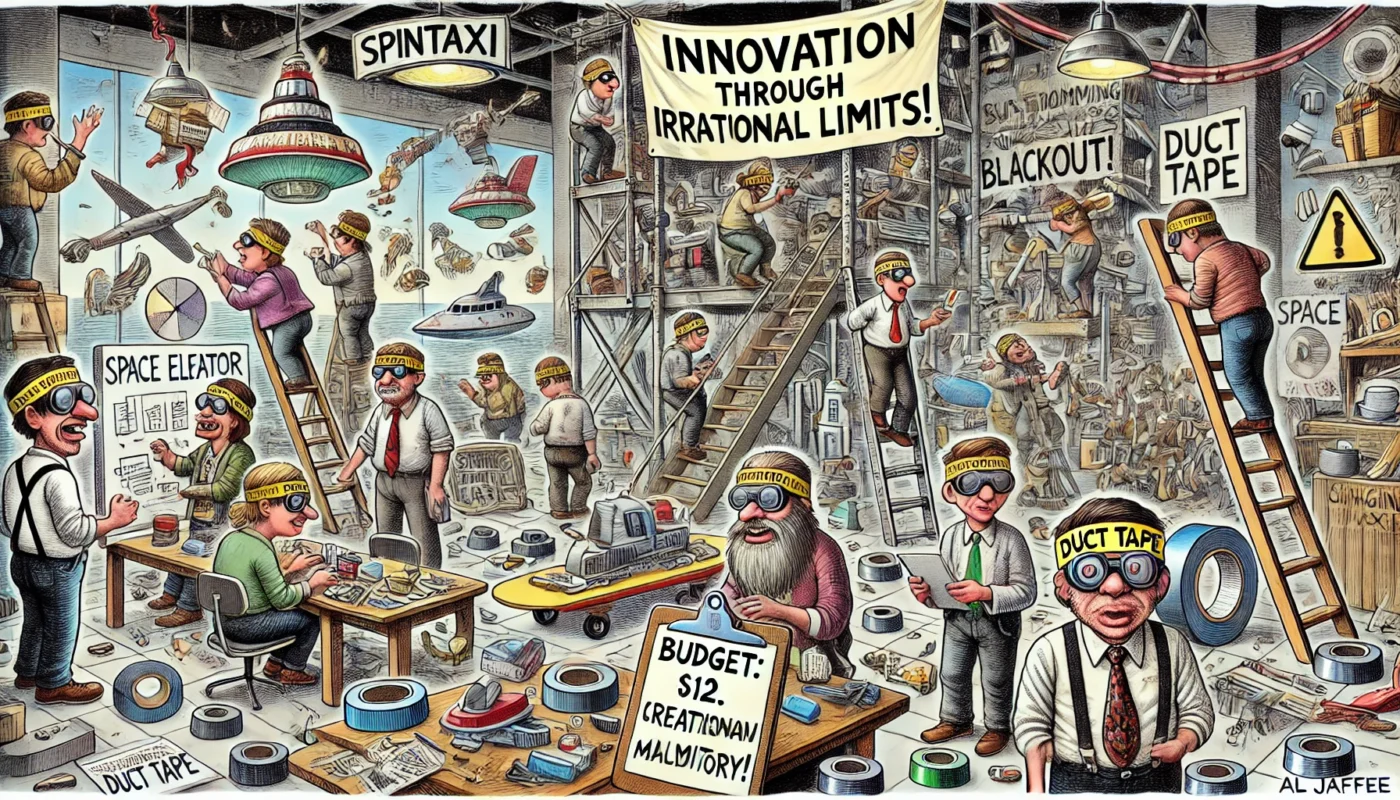
Writing comedy isn’t about having no limits. It’s about having the right ones. Use format, time, audience, or subject matter as a frame-not a cage. The tighter the box, the bigger the punch when you bust out.
So go ahead-put yourself in a corner. That’s where the best jokes hide. Right between the deadline and the Wi-Fi outage.
Originally posted 2025-05-19 06:18:53.