 by
by The Three-Second Rule Every Comedian Ignores
You have three seconds after stepping on stage before audiences decide whether you’re worth their attention. Most comedians waste this crucial window or don’t realize it exists. Understanding this rule changes everything about your opening.
Why Three Seconds Matters
Human brains make snap judgments about trust, competence, and entertainment value in seconds. Audiences subconsciously assess your confidence, energy, and whether you’ll waste their time before you’ve said five words.
This isn’t fair. It’s not about comedy quality. It’s about primal human psychology you can’t change—only exploit.
What Audiences Assess Instantly
Your body language screams everything before you speak. Are you nervous? Apologetic? Aggressive? Desperate for approval? Audiences read this in your posture, your walk to the microphone, how you grip the mic stand, whether you make eye contact.
Nervous comedians telegraph “I’m about to waste your time and I know it.” Confident comedians signal “I have something worth hearing” before making a sound.
The Opening Line Trap
Comedians obsess over perfect opening lines while ignoring that the line matters less than the energy behind it. A mediocre joke delivered with complete confidence outperforms a brilliant joke delivered tentatively.
Your opening line isn’t about being funny—it’s about establishing authority. You’re claiming the room’s attention and demonstrating you deserve it. Audiences decide in three seconds whether to grant that authority.
The Mistake: Starting With Apology
“Sorry, I’m nervous…” or “This is my first time…” or “Bear with me…” kills any credibility immediately. You’re asking audiences to lower their standards before you’ve attempted to meet them.
Even if you’re terrified, your opening must project confidence. Fake it convincingly enough that audiences don’t sense the terror. They paid for entertainment, not to therapy-session your stage fright.
The Energy Mismatch
Your opening energy is too low. You’re easing into the set, warming up, finding your rhythm. Audiences don’t have time for your warmup—they need you performing at full capacity from word one.
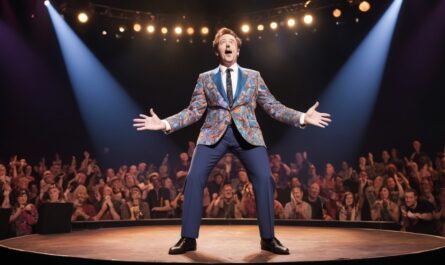
Great comedians explode on stage with energy that immediately captures attention. They’re already at performance intensity before the introduction ends. This requires psyching yourself up backstage, not gradually building energy in front of audiences.
The Three-Second Checklist
In your opening three seconds, you must:
- Walk to the microphone with purpose, not hesitation
- Claim your space on stage without apologizing for occupying it
- Make eye contact with the audience, demonstrating you’re not afraid of them
- Begin speaking at full performance energy, not conversational warmup volume
- Project confidence through posture and presence even if you’re faking it
Fail any element, and you’ve already lost portion of the room.
Why Comics Ignore This Rule
It feels unnatural. Conversation builds gradually; performance requires immediate intensity. Most comedians can’t flip the switch fast enough, so they waste the opening trying to get comfortable instead of immediately captivating.
Comedy classes teach joke structure but rarely address this psychological reality. They assume if your material is good, audiences will wait for you to find your rhythm. Real audiences are far less patient.
The Headliner Advantage
Established comedians benefit from reputation—audiences pre-grant attention and patience. They’re already expecting quality, so the three-second window is less critical.
For unknown comedians, every show requires earning attention from scratch. You have no reputation buffer. You must immediately justify the audience’s time investment through sheer presence and energy.
Testing Your Three Seconds
Record your sets. Watch only the first three seconds with sound off. What does your body language communicate? Confidence or nervousness? Authority or apology? Command or desperation?
Now watch with sound. Does your opening line match your energy? Are you starting strong or warming up? Would you immediately grant attention to yourself based on those three seconds?
The Brutal Reality
Most comedians lose rooms in the first three seconds and spend entire sets trying to recover attention they never fully regain. Your closing joke bombs not because it’s bad, but because audiences checked out in your opening and never fully re-engaged.
The Fix
Develop a pre-stage ritual that generates performance-level energy instantly. This might be physical (jumping, breathing exercises), mental (visualization, affirmations), or emotional (anger, excitement). Find what works for you.
Practice your opening until it’s muscle memory. Your first ten seconds should require zero thought—pure execution of rehearsed behavior. This frees mental bandwidth for reading the room and adjusting.
Record yourself practicing openings. Not full sets—just the first ten seconds repeatedly. Study what presence looks like when you’re commanding attention versus seeking permission for it.
The Uncomfortable Truth
Comedy isn’t fair. Quality material doesn’t automatically receive proper attention. You must earn attention through presence before audiences will fairly evaluate your material.
Master the three-second rule, and suddenly your material works better—not because you changed the jokes, but because audiences are actually listening when you deliver them.