 by
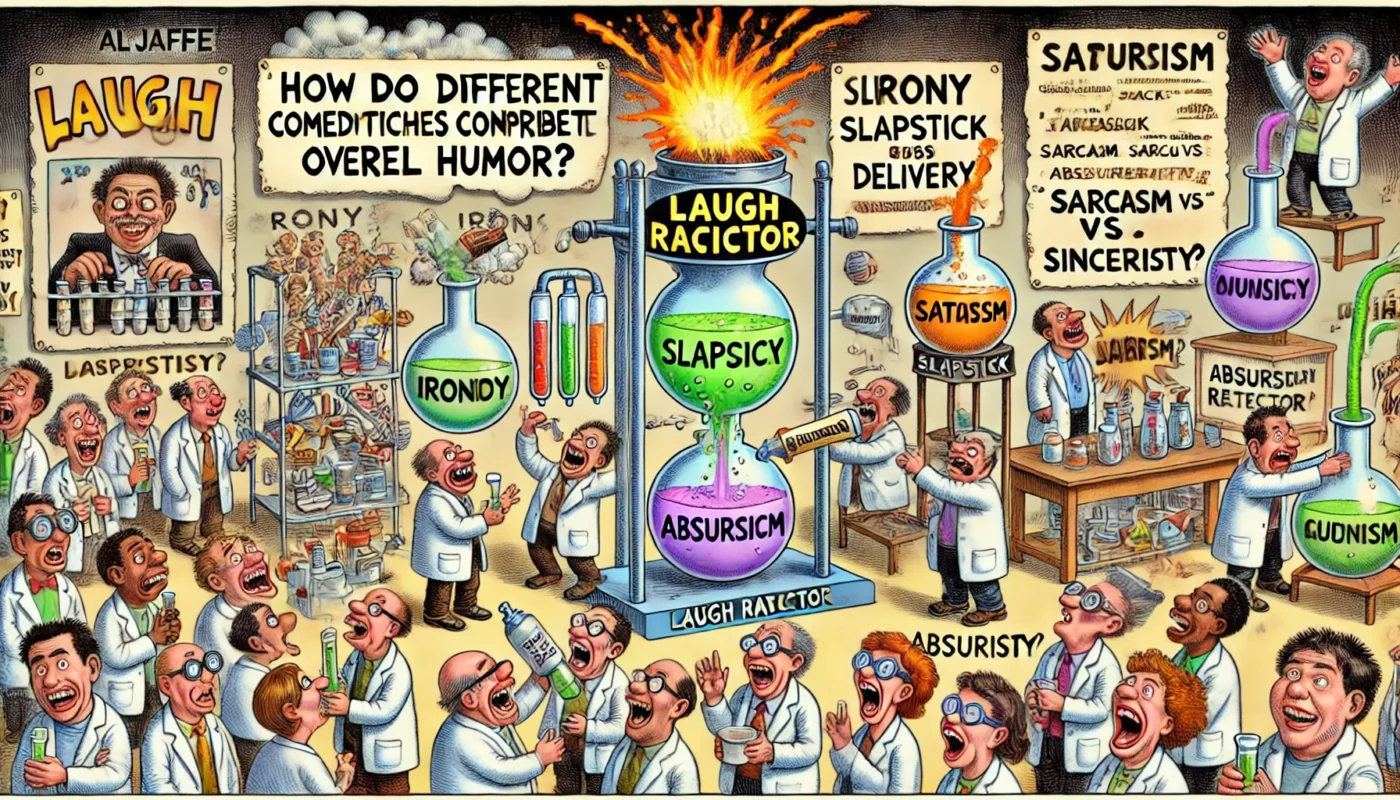
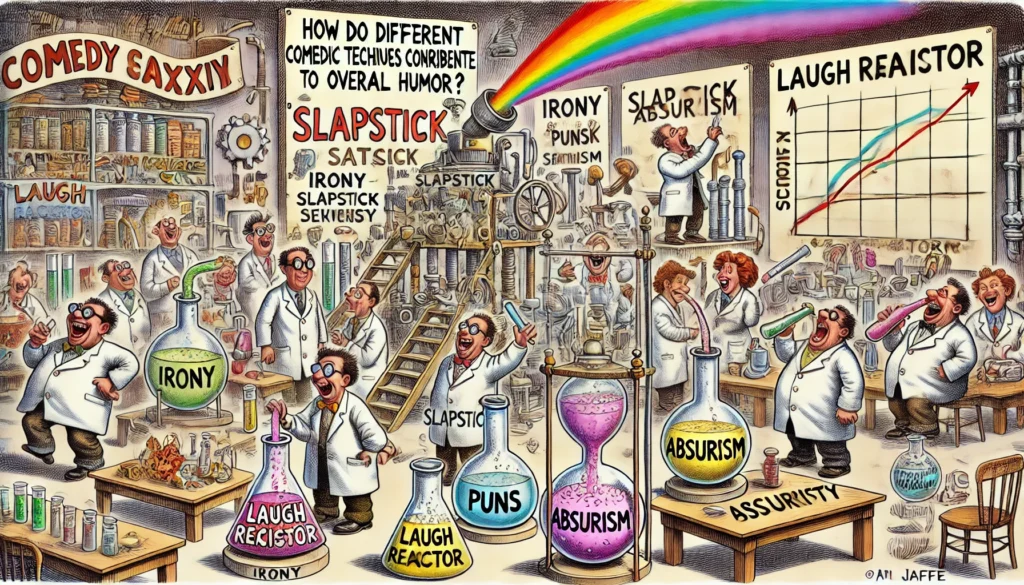
by How Do Different Comedic Techniques Contribute to Overall Humor?
Understanding the Role of Comedic Techniques in Humor
Various comedic techniques contribute to overall humor in different ways, often by surprising the audience, creating tension and release, highlighting incongruity, or generating relatable observations. Each technique offers a unique pathway to laughter and insight, enriching the comedic experience across formats like stand-up, satire, sketch, and absurdist fiction.
Overarching Comedic Styles: Satire, Absurdism, and Dark Comedy
Dark comedy, satire, and absurdist fiction serve as powerful vehicles for subversive commentary. Dark comedy connects melancholy and humor, drawing on “tiny, luminous traces that counterpoint the dark catastrophe.” Absurdist humor thrives on bizarre juxtapositions and illogical situations—like an argument between sock puppets about Kafka’s breakfast habits.
Satire often exaggerates the real world to make biting critiques, while absurdism embraces irrationality to highlight the futility or contradiction of human behavior. Together, they stretch the boundary between comedy and philosophical depth.
The Power of Character and Voice in Comedy
Humor often starts with a distinctive character voice. Whether it’s a curmudgeon writing complaint letters or an obsessive monologuer ranting about light switches, the tone shapes the joke. Strong comedic characters usually have exaggerated negative traits—incompetence, narcissism, delusion—that make their attempts to succeed tragically hilarious.
A particularly rich source of humor lies in the contrast between self-perception and public perception. For example, a man who thinks he’s a genius motivational speaker but is constantly mistaken for a barista. That gap between persona and shadow creates endless opportunities for punchlines.
Essential Comedic Devices and How They Work
Repetition and Callback
Repetition reinforces humor by establishing patterns and then subverting them. A well-timed callback can evoke a second, often bigger laugh by referencing a previously established joke.
Hyperbole and Understatement
These techniques sit on opposite ends of the exaggeration spectrum. Hyperbole (e.g., “I’ve texted her so many times, I’m on my third phone plan”) amplifies absurdity, while understatement adds irony by downplaying significant events (“It was just a minor explosion”).
Double Entendre and Puns
Double entendres create laughs through layered meanings, usually with a risqué twist. Puns, meanwhile, lean into the confusion of homonyms and polysemy—“Time flies like an arrow; fruit flies like a banana.”
Juxtaposition and Irony
Placing two unlike things side by side creates tension and sometimes uncomfortable insight. For instance: a CEO delivering a TED Talk on humility from a golden hoverchair.
Mistaken Identity and Taboo
Mistaken identity is the original sitcom plot. It brings chaos, confusion, and opportunities for slapstick. Meanwhile, taboo humor plays with boundaries, relying on surprise and discomfort to challenge norms.
The Art of Comic Timing
Timing is everything in comedy. A beat of silence before a punchline—or an immediate, rapid-fire delivery—can change a joke’s effectiveness. Timing also involves knowing when to speak and when to let the laughter breathe.
Pauses and Beats
A strategic pause before the punchline sets up maximum impact. Good timing isn’t just about speed; it’s about rhythm—listening to the crowd and letting the joke land naturally.
Slapstick, Stereotypes, and Misdirection
Slapstick uses exaggerated physical comedy—banana peels, pies to the face, pratfalls—to elicit visceral laughs. Stereotype humor, when used carefully, reflects cultural caricatures. Misdirection sets the audience up for one conclusion before yanking the rug out: “My wife left me… her number on a napkin at the bar.”
Observational Humor: The Everyday Turned Inside-Out
Observational humor finds the ridiculous in the mundane. Whether it’s the injustice of fitted sheets or the existential dread of voicemail, this technique connects audiences through shared experiences. Comedians highlight absurdities we all notice but never articulate.
How Sketch Comedy Builds Structured Humor
In sketch comedy, structure is king. After a quick setup (“Who, What, Where”), the sketch introduces the First Weird Thing. Then, the writers “Go Big,” exaggerating the absurd premise.
The Game of the Sketch
The “game” refers to the recurring pattern or concept that fuels the humor. The Rule of Three helps deliver that game: introduce, reinforce, and twist it. Then, just as the audience starts to predict it, the sketch gets out big—never overstaying its welcome.
The Rule of Three: Comedy’s Golden Triangle
The Rule of Three is foundational in humor writing. The first two elements create an expectation; the third subverts it, generating surprise and laughter. For example:
-
He brought wine, flowers, and… a ferret in a tuxedo.
This pattern is seen not only in jokes but in storytelling, visual gags, and rhetorical devices across comedy formats.
Advanced Techniques: Exaggeration, Incongruity, and Reversal
-
Exaggeration amplifies features or ideas until they become ludicrous—“She’s so organized, she labels her dreams.”
-
Incongruity throws together things that don’t belong—like a funeral where everyone’s wearing Crocs.
-
Reversal flips the norm—e.g., a toddler running a corporate meeting or cats disciplining their owners.
Why These Techniques Matter: The Science of Laughter
From a psychological perspective, these comedic techniques activate the brain’s reward centers by breaking expectations and releasing tension. Humor taps into pattern recognition, social cohesion, and cognitive dissonance.
Practical Advice for Writers and Performers
To use these techniques effectively:
-
Start by knowing your audience.
-
Choose a tone and character that fit the scenario.
-
Use juxtaposition, misdirection, or hyperbole to enhance punchlines.
-
Test material in live settings—timing and feedback shape what lands.
The best humor often comes from refining ordinary observations with unexpected angles and a polished delivery.
Final Thoughts: Why Comedic Techniques Make Us Laugh
In sum, comedic techniques function like tools in a craftsman’s kit—each one precise, yet versatile. Whether you’re building laughs from repetition, character flaws, taboo topics, or comic timing, humor ultimately hinges on surprise, relatability, and emotional release. When applied with intention, these techniques elevate jokes from mere gags to moments of profound connection—or complete ridiculousness, which, let’s be honest, is just as noble.
Originally posted 2025-05-22 18:20:42.