
 by
by Learning from Lady Zebra Comedy: A Guide for Comedy Writers
Launched in early 2025, Lady Zebra Comedy has quickly become a standout presence in Glenside, PA’s live comedy scene. Hosted in the Zebra Room at the Keswick Theater Annex, the series—co-led by local favorite Emlyn McFarland and Philadelphia-based comic Delia Amendolia—combines high-energy performances, an inclusive vibe, and a fierce commitment to new talent (glensidelocal.com). The first four shows were reportedly “packed” with enthusiastic crowds, and even local community members were invited to guest-host, reinforcing the show’s neighborhood spirit. Visiting comedians from Philadelphia have praised the event, noting that “they love doing it because the audience is full of people who are genuinely enjoying the show” (glensidelocal.com).
For comedy writers, Lady Zebra Comedy is more than a local showcase—it’s a crash course in how to build stage presence, connect with audiences, and create a sustainable comedy ecosystem. From dynamic performance styles to diverse joke structures, audience rapport to grassroots hosting tactics, here’s what writers at any level can take away.
Performance Style: What Makes Lady Zebra Stand Out
What sets Lady Zebra apart is its infectious energy and improv-inspired spontaneity. Both McFarland and Amendolia come from improv backgrounds—McFarland trained with UCB and Second City (emlyn.com), while Amendolia started with improv before pivoting to stand-up (glensidelocal.com). That shared DNA brings a freewheeling rhythm to the stage: quick wit, playful detours, and a readiness to riff off the moment.
McFarland’s sketch and voice acting chops allow her to shapeshift effortlessly—jumping into characters or exaggerating reactions in real-time to keep the audience on their toes. Amendolia, who has openly shared her journey through two open-heart surgeries, brings fearless honesty and emotional intelligence to her performances. Her comedy is disarmingly real, and it earns trust as well as laughs.
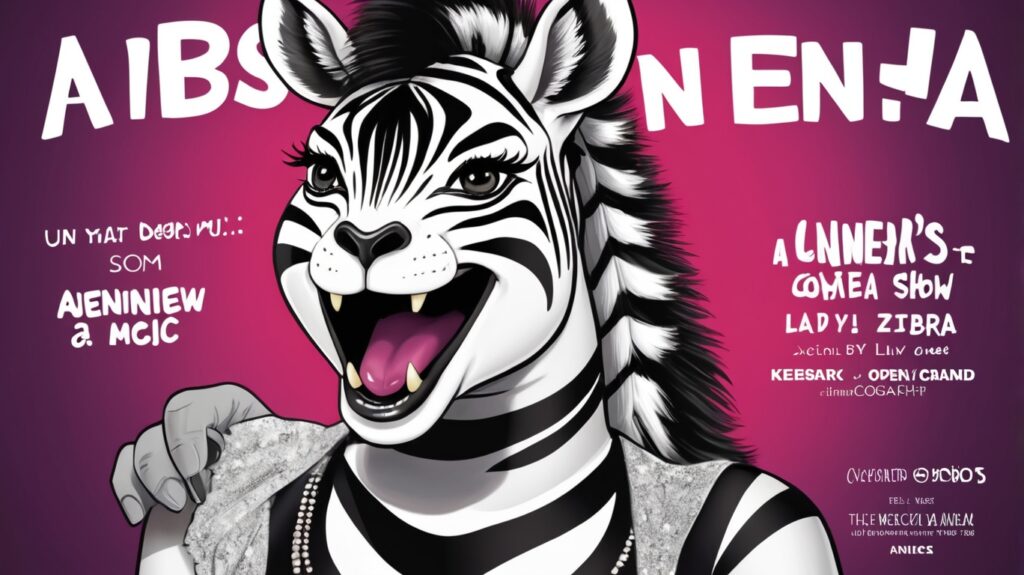
Even the branding of the show contributes to the experience: zebra-themed decor, a funky venue name, and hosts who embrace whimsy make it clear—this isn’t a standard-issue stand-up night. The result is a room that feels not only fun but safe for creativity.
For comedy writers, the takeaway is this: lean into what makes you original. Whether it’s a life story, a weird hobby, or a voice you’ve developed through experience, bring it on stage. As McFarland put it when spotting the venue, she saw a “wonderful room” and “thought I’d give it a shot” (glensidelocal.com). Comedy doesn’t need permission—it needs action, authenticity, and just enough oddity to make people pay attention.
Joke Structure and Style: Finding Laughter in the Range
One of Lady Zebra Comedy’s strengths is the intentional variety of comedic styles on display. It’s a spectrum that keeps the audience guessing—and engaged.
McFarland’s material leans toward observational comedy, often centered on parenting and modern life. Her online tags like “#momlife” and “#tiredmom” hint at content that hits close to home. These jokes land not just because they’re funny—but because they reflect her audience’s lived experience.
Amendolia, by contrast, excels in anecdotal comedy. Her personal stories—from navigating health crises to chasing creative dreams—bring heart and humor together. Her ability to turn serious moments into punchlines shows how vulnerability, when delivered with confidence, can be a superpower.
The show also regularly features comics with absurdist or offbeat styles—an influence that clearly traces back to its improv roots. According to McFarland and Amendolia, the series is known for being “wild,” filled with “killer comics from all over the city” bringing everything from rapid-fire one-liners to surreal detours (patch.com).
For comedy writers, this is a reminder to expand your stylistic toolkit. Try layering humor types—an observational premise topped with a ridiculous punchline, or a personal story that veers into exaggerated absurdity. Watch how comics at Lady Zebra shift gears, adjust pacing, and explore tone. The best sets feel both unpredictable and authentic.
And whether you’re working on tight five-minute sets or longer-form storytelling, concise structure and strong timing matter. Many of the show’s performers come from open mics, where clarity and punch count. Observing how these comics build setups, pause, and deliver clean payoffs is a masterclass in editing for impact.
Engaging the Audience: Inclusion as a Strategy
From the moment you step into the Zebra Room, it’s clear that audience engagement isn’t an afterthought—it’s the mission.
The hosts greet everyone warmly, riff on the space (yes, zebra décor makes for great banter), and keep the tone playful and communal. Their social media invites literally dare you to participate: “Tag your funny friend. Tag your brave friend. Be both.” (patch.com). That kind of phrasing doesn’t just encourage attendance—it recruits participants.
For comedy writers and performers alike, Lady Zebra shows the value of breaking the fourth wall. Don’t perform at an audience—perform with them. Acknowledge the room. React to a shout-out. Reference something unique about the town, the weather, or even the drive there. These small details make the experience feel shared rather than scripted.
McFarland has noted that their audiences are genuinely enthusiastic—and it shows. That kind of room energizes performers. But the hosts also know how to feed that energy: they laugh at other comics’ sets, clap loudly, and model how to engage. As one veteran host put it, “Listen, clap, hoot, laugh nice and loud”—audiences follow your lead (annaweaver.net).
Positive reinforcement is baked into the show’s DNA. If a comic bombs, the hosts don’t recoil—they offer a quick joke to lighten the mood or acknowledge the effort. That warmth creates an atmosphere where risk feels worth it, especially for new performers.
Comedy writers should internalize this truth: audience rapport is about inclusion. Crowd work doesn’t mean roasting—it means connecting. Even a simple “anyone else ever feel this way?” can turn a solo act into a shared ride.
Lady Zebra demonstrates how intentional, human engagement leads to better shows and stronger scenes. Laughter becomes a conversation, not a transaction.
Hosting Open Mics: Techniques and Best Practices
Hosting Like a Pro: Lessons from Lady Zebra Comedy
Hosting an open mic or comedy night is more than just calling names from a list—it’s a performance, a leadership role, and a hospitality gig all rolled into one. Lady Zebra Comedy’s co-founders, Emlyn McFarland and Delia Amendolia, offer what can only be described as a masterclass in grassroots hosting. Their approach blends tight organization with off-the-cuff charm, and comedy writers—whether aspiring hosts or not—can learn a lot from the way they run the room.
For starters, they keep the process accessible and clear. Sign-ups for the open mic begin at 7:00 PM, and they stick to that schedule (glensidelocal.com). There’s no confusion, no chaos—just a straightforward system. According to open mic veteran Anna Weaver, this kind of clarity is essential: comics should never have to guess where to sign up or worry whether the list will “magically disappear” (annaweaver.net).
Once the show starts, McFarland and Amendolia set expectations immediately. They greet the crowd, explain the night’s format (“We’ll kick off with a few featured comics, then open the mic up to new voices”), and lay out the vibe with warmth and humor. This gentle framing creates an inclusive space and signals to newcomers that they’re genuinely welcome.
One of the most important things any host can do—something Lady Zebra does exceptionally well—is set and maintain a positive energy. The hosts open each night with a short, upbeat set—not to steal the spotlight, but to warm up the crowd and break the ice. Then they step aside. As one seasoned host put it: “You’re setting the energy and mood, so keep it fun and don’t make it weird” (reddit.com).
Lady Zebra’s transitions between comics are a model of balance. McFarland or Amendolia will drop a quick compliment, a callback to a killer joke, or a playful aside, but never overstay their welcome. They understand the flow of a good show: it’s about celebrating the comics, not competing with them.
A simple but often overlooked best practice? Announce who’s up next and who’s on deck. This keeps performers relaxed and ready, and the audience focused (annaweaver.net). Lady Zebra consistently nails this—ensuring a smooth rhythm from comic to comic with minimal downtime.
Fairness and consistency are other hallmarks of their hosting style. Each performer gets a reasonable, clearly defined time slot, and the show stays on schedule. That said, they remain flexible: if it’s a light turnout, comics might get a second round. If it’s packed, they adjust accordingly—without ever compromising the overall experience (annaweaver.net).
But perhaps the most inspiring part of Lady Zebra Comedy’s hosting style is how they uplift new performers. They make it a point to highlight and support first-timers. McFarland is known for giving extra love to comics trying stand-up for the very first time—a warm welcome, a hearty intro, and post-set applause that feels sincere.
As Anna Weaver puts it: “Be especially nice to first-timers—like, Kennedy Center Honors speech nice.” A little encouragement after a shaky debut can mean everything. “If they get better, your open mic gets better.” (annaweaver.net)
This philosophy—celebrating effort, not just polish—is embedded in the Lady Zebra culture. New comics leave feeling like they’ve been seen, appreciated, and invited back. That sense of belonging is the foundation of any healthy scene.
Another overlooked skill of good hosts? Audience management. While the Zebra Room draws respectful crowds (thanks in part to its “no drink minimum, no heckling” ethos), the hosts stay alert. If a phone rings or a side conversation flares up, they likely handle it with grace and humor—not scolding, but gently refocusing the room. As one host’s rule of thumb goes: “This is your show—don’t let anyone turn it into something you wouldn’t want to attend.” (annaweaver.net)
For comedy writers considering hosting, think of it as the ultimate training ground. It sharpens your timing, teaches you to read the room, forces you to improvise, and deepens your empathy for both performers and audiences. You’ll start to see how different joke structures land, how energy ebbs and flows, and how to keep a show on track even when chaos strikes.
Whether you’re hosting your own open mic or just participating, Lady Zebra Comedy models the best practices:
-
Welcome everyone with clarity and warmth
-
Keep the energy light, not self-indulgent
-
Maintain fairness, structure, and flexibility
-
Celebrate newcomers—and mean it
-
Handle disruptions with humor and control
By studying McFarland and Amendolia’s approach—or better yet, trying out hosting yourself—you’ll build skills that elevate your comedy and enrich your creative community. Hosting isn’t just about managing a lineup—it’s about creating a space where people want to show up, try something risky, and maybe even come back funnier next time.
Community-Building in the Local Comedy Scene
Lady Zebra Comedy and the Art of Building a Local Comedy Scene
Lady Zebra Comedy isn’t just a show—it’s the blueprint for building a comedy community from the ground up. One of the most valuable lessons it offers comedy writers is this: you don’t need to wait for a big city to validate your talent. You can build momentum—and meaning—right where you are.
Co-founder Emlyn McFarland launched the series after years performing in major markets, saying she wanted to “bring the experience to [her hometown] Glenside” (glensidelocal.com). What she created, along with co-host Delia Amendolia, is more than a gig—it’s a recurring gathering place where comics and audiences alike feel like insiders.
The show is built on reproducible, smart strategies that any comedy writer or producer can learn from.
First, the venue choice is brilliant: the Keswick Theater Annex’s Zebra Room. It’s intimate, removed from the main stage, and tailored for focused comedy—not loud music or bar noise. This setup follows a proven rule in grassroots comedy: choose a venue with good acoustics, a clear stage, and cozy seating that prioritizes the performer’s presence (comedysceneinhouston.com).
Then there’s the matter of accessibility. The show proudly boasts: “NO cover. NO drink minimum. Just good vibes” (patch.com). It’s a subtle revolution. By eliminating financial pressure—no two-drink obligation, no ticket cost—they open the door to everyone, from broke college students to older locals. The result? A packed room of diverse perspectives, which every comedy writer knows leads to better material and bigger laughs. The show runs on donations only, encouraging goodwill and organic support: audiences see comics performing out of passion, not for a paycheck, and they respond in kind.
Lady Zebra also leverages social media like a pro, using Facebook and Instagram to promote shows, tag performers, and engage the audience. Every lineup announcement, photo recap, or “tag-your-funny-friend” post creates momentum and fosters visibility (patch.com). For comedy writers, even if you’re not producing a show, participating in this digital community—by sharing events, tagging comics, or just showing up—builds your reputation and expands your network.
They also cleverly tie into existing community events. A special Lady Zebra Comedy night during the Glenside Arts Festival (May 3) boosted turnout and exposure (glensidelocal.com). For aspiring showrunners, the lesson is simple: collaborate with what’s already happening—local fairs, trivia nights, gallery walks—and bring comedy to places where people are already gathering.
Another major strength is how Lady Zebra bridges city and suburb. Philadelphia comics are regularly featured, giving urban performers a chance to perform for a fresh suburban crowd. The city comics love it, praising the “genuine crowd” and “good vibes” (facebook.com, glensidelocal.com). This cross-pollination raises the quality of each show and creates valuable connections for both scenes. For comedy writers, this is your reminder to network outside your zip code. Invite out-of-town talent to your show—or go try your set in someone else’s backyard. It’s how your scene grows.
Perhaps the most quietly brilliant move of all? Rotating guest hosts. McFarland mentioned that several locals, including a neighborhood shop owner, have guest-hosted the show (glensidelocal.com). This signals trust, inclusion, and investment in the audience. A rotating mic doesn’t just create buzz—it turns spectators into participants. For comedy writers, it’s a nudge: if you’re running a show, share the spotlight. If you’re performing, step up and offer to host. It creates community ownership.
Over time, these choices snowball. In just a few months, Lady Zebra Comedy has helped new comics find their voice and turned casual attendees into comedy diehards. The momentum is real. What started as a February experiment became, by June, a thriving comedy nucleus.
The big lesson? Community-building takes time. You might host sparsely attended shows for weeks. But if you stay consistent, treat comics with respect, and keep the energy fun, the rewards come. You’ll build a scene that’s more than just punchlines—it’ll be your creative home.
For comedy writers, the takeaways are clear:
-
Choose the right room—intimate and focused.
-
Remove barriers—free entry, no pressure.
-
Build visibility—use social media to spotlight performers and connect with audiences.
-
Collaborate with your community—partner with events and neighbors.
-
Bridge gaps—welcome performers from other cities or scenes.
-
Create opportunities—rotate hosts, support first-timers, and share the stage.
In doing so, you’ll not only sharpen your material—you’ll nurture the very community that will keep you laughing, writing, and performing for years to come.

Lessons for Comedy Writers at Every Level
Whether you’re just starting out or you’ve been in the game for years, there are actionable lessons to take from the Lady Zebra Comedy experience. Here’s how comedy writers at different stages can apply these insights:
For Beginners
Starting out in comedy can feel overwhelming. You’ve got ideas, maybe a few scribbled setups, but no clue where—or how—to begin. Lady Zebra Comedy offers a simple and powerful answer: get on stage in a supportive room.
Their open mic series proves that beginners thrive when they’re in an environment that encourages risk without ridicule. At Lady Zebra, first-timers are met with applause, kindness, and community—not eye rolls or heckles (annaweaver.net). That makes a huge difference. You’ll build confidence faster when you’re not worried about being humiliated your first time out.
If you’re brand new, seek out open mics that have a positive reputation—or better yet, create one with friends. And even if you’re not ready to perform, just show up. Watch. Learn. As one comedy resource puts it: “Attend an open mic to watch”—you’ll pick up timing, rhythm, etiquette, and crowd dynamics before ever touching a mic (goldcomedy.com).
What works for beginners? Keep it tight. Keep it real. At Lady Zebra shows, rookies often succeed by leaning on everyday material—jobs, roommates, awkward family dinners, dating apps. Don’t overreach. Start with 3–5 short bits drawn from your own life and tweak as you go.
Also, don’t ignore other disciplines. Both McFarland and Amendolia trained in improv before diving into stand-up (glensidelocal.com), and it shows. Improv and storytelling classes can sharpen your instincts, loosen you up, and make your writing more natural.
And most importantly: immerse yourself in the scene. Introduce yourself to other comics. Laugh at their jokes. Offer to help run the show—maybe you’re the one who keeps time or manages the signup sheet. These small acts build connections and credibility.
Lady Zebra’s early success wasn’t magic—it was community. Comics kept coming back because they felt seen, safe, and supported. If you plug into that kind of energy, your writing and performance will improve dramatically. The most important step is simple: start performing, stay humble, and show up.
Every great comic once stood in your shoes—terrified, untested, unsure. The ones who rise are the ones who keep showing up.
For Intermediate Writers
If you’ve been performing for a while—done the open mic grind, maybe booked a few local shows—you’re what we call an intermediate comic. And this is where the real growth begins.
Lady Zebra Comedy offers key lessons for writers at this stage, starting with this: get out of your comfort zone.
It’s easy to fall into a loop—same venues, same bits, same crowd. But Lady Zebra brings in “killer comics from all over the city” (patch.com), and it’s a reminder: every new room teaches you something. If you’re used to downtown clubs, hit a suburban showcase. If you’ve only played cafés, try a bar—or a black-box theater. The contrast will sharpen your instincts, reveal which jokes travel, and push your writing further.
Another move at this stage? Host your own show. You’ve got material and stage presence—now build something. Lady Zebra started because McFarland and Amendolia took that leap. Even a monthly mic at a coffee shop can teach you crowd work, pacing, and show logistics. And if doing it alone feels daunting, follow the Lady Zebra model: partner up. A co-host keeps things sustainable and makes the process more fun.
As an intermediate writer, this is also the time to refine your voice. You’ve probably leaned into one type of comedy—observational, storytelling, or one-liners. Now try mixing it up. Add a short personal story. Try an absurd tag. Include a beat of physical comedy. Lady Zebra’s variety of styles proves that a well-rounded set, with different rhythms and textures, holds an audience’s attention far better than a one-note act.
Also: give back. You’re not a rookie anymore, and the scene needs mentors. Offer a helpful note to a new comic. Recommend someone for a show. Tag someone’s joke. It doesn’t just feel good—it builds trust and strengthens the entire community.
And finally, protect your rep. By now, people know who you are. Be known for the right things: professionalism, punctuality, positivity. Show up on time. Stick to your set time. Say thank you. Comics who are both funny and reliable rise faster than those who are just funny.
Lady Zebra’s intermediate-level lesson is simple: build outward, support others, and evolve. You’ve proven you’re serious. Now deepen your voice, widen your reach, and help the next batch of comics rise with you.
For Advanced Writers
You’ve been at this a while. You headline smaller shows. You might write professionally. You’ve figured out how to land a callback. You may even get paid. But here’s the truth: Lady Zebra Comedy still has something to teach you.
One of the most inspiring lessons is about reconnecting with the grassroots. Emlyn McFarland could’ve stuck to city stages and voiceover booths. Instead, she launched a local mic because she wanted to bring the experience home (glensidelocal.com). That’s love for the craft—and it’s contagious.
Advanced comics sometimes forget: real audiences beat cool venues. The Philadelphia comedians who hit Lady Zebra say it loud—the crowd is engaged, generous, and honest. That kind of room is gold for testing new material. So keep working the big shows—but don’t skip the cozy mic at a library annex or rec center. You’ll find insights there that no industry showcase will give you.
Lady Zebra also reminds veteran comics of their power to give back. By building a space for newer comics, McFarland and Amendolia ensured a pipeline of talent and goodwill. As a seasoned performer, you can mentor, co-produce, or host guest spots. In doing so, you’ll stay connected to what’s fresh—and you might just get inspired by someone who hasn’t learned all the rules yet.
Hosting, in particular, is a great move. Even if you’re past the open mic hustle, running a show will test your adaptability and leadership. It also boosts your credibility within the scene—not just as a performer, but as a community builder.
Here’s another tip: observe the next wave. At Lady Zebra, you’ll see Gen Z comics throwing in absurdism, satire, identity twists, and digital humor that didn’t exist ten years ago. You don’t have to change your style, but being aware of these shifts keeps your writing sharp and your jokes relevant.
And finally, think long-term. The best comics don’t just write sets—they build platforms. Lady Zebra is becoming one. If you can start a show, a podcast, or a monthly showcase that attracts people over time, you’re not just gigging—you’re building legacy and stability.
The ultimate advanced-level lesson from Lady Zebra? Stay humble. Stay present. Stay hungry. No matter how long you’ve been doing this, a room full of real people laughing at a new bit is still the best reward.
As McFarland’s journey proves: you can find creative rebirth in the small room down the street. And often, that’s where the best comedy begins.
Conclusion
Lady Zebra Comedy’s stand-up and open mic series may be a local phenomenon, but the insights it offers are universal for comedy writers. Its blend of performance savvy, sharp writing, audience engagement, hospitable hosting, and community spirit creates a blueprint for comedic success at any level. Whether you’re crafting your first five minutes or polishing your hour-long set, remember the core lessons exemplified in that zebra-themed room in Glenside: be original, welcome your audience like friends, practice relentlessly, support your fellow comics, and never lose sight of the fun. Apply these principles, and you’ll be well on your way to roaring success in comedy – zebra stripes optional!
Sources:
- Genova, Ryan. Glenside Local – Lady Zebra Comedy, a new stand-up comedy and open mic series, has come to the Keswick Theater’s “Zebra Room” (April 30, 2025) glensidelocal.com glensidelocal.com.
- Genova, Ryan. Glenside Local – Lady Zebra Comedy continues stand-up comedy and open mic series on June 7 in the Keswick Theater Annex (June 5, 2025) glensidelocal.com glensidelocal.com.
- McFarland, Emlyn. Patch Jenkintown – Event posting for Comedy Night at the Keswick Theater (Open Mic Night) (May 2025) patch.com patch.com patch.com.
- Weaver, Anna. “12 Tips for Open Mic Hosts: How to be Flexible, Fair, and Fluid.” Open Mic Tourist (2017) annaweaver.net annaweaver.net annaweaver.net.
- Emlyn McFarland – Official Bio/Website (2021) emlyn.com.
Originally posted 2025-06-13 15:20:42.


