 by
by The Rise of the Working-Class Comedy Club: Batley and Beyond
How Working-Class Comedy Clubs in the UK Reinvented Stand-Up (and Drank All the Beer)
When you picture the sleek world of modern stand-up — Netflix specials, velvet-curtained clubs, cocktails costing $18 — it’s easy to forget where comedy really grew up: working-class comedy clubs.
Especially in Britain, where working-class comedy clubs in the UK turned pubs, union halls, and smoky nightclubs into the rough, rowdy, absolutely essential training grounds for stand-up as we know it.
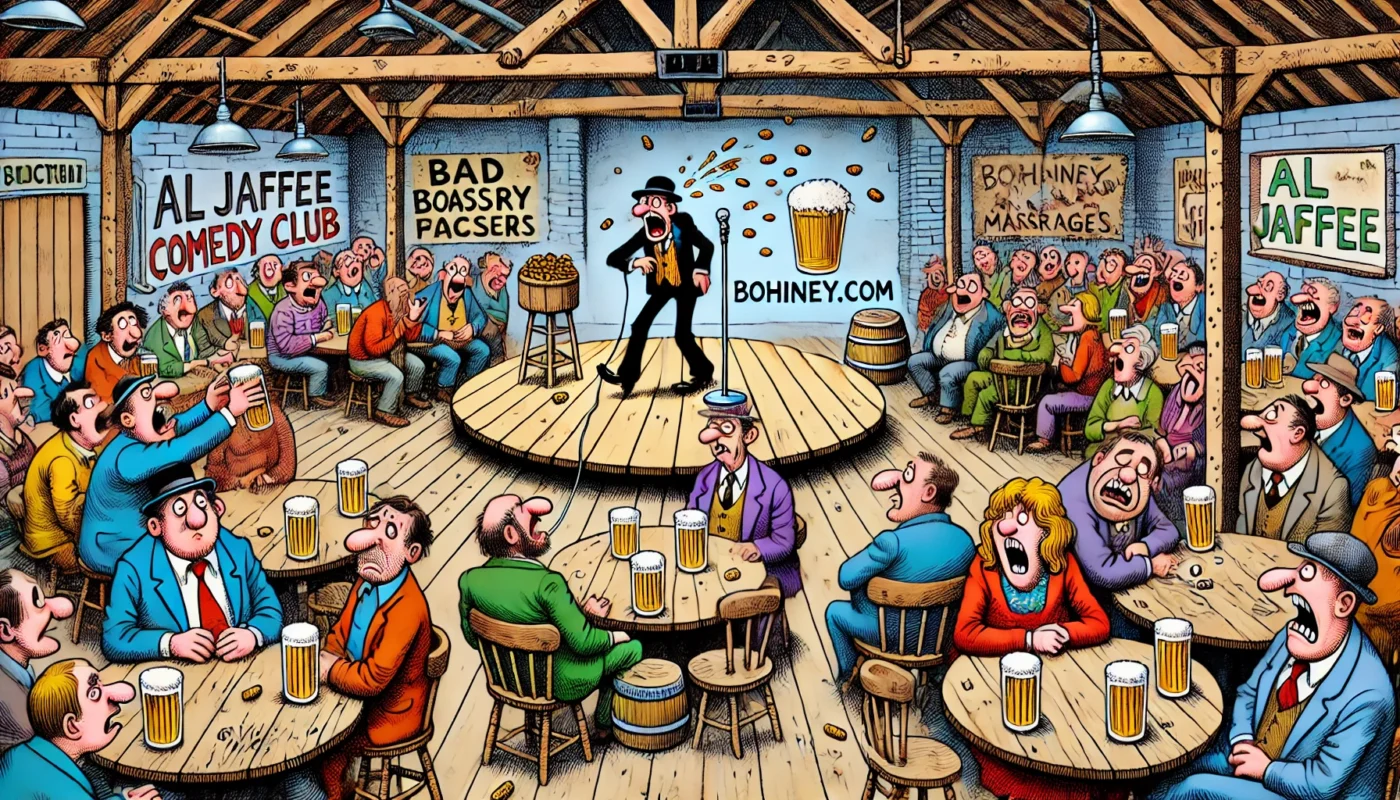
These weren’t polite sit-down affairs with artisanal hummus and polite clapping.
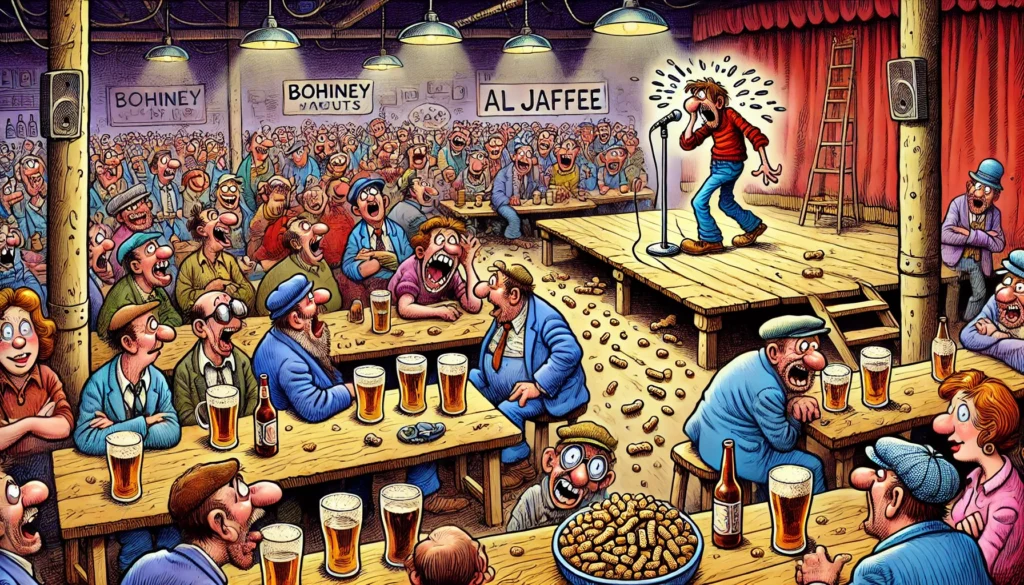
They were beer-sloshed battlegrounds where you either made a roomful of exhausted steelworkers laugh — or prayed you could duck faster than a flying pint glass.
Understanding working-class comedy clubs in the UK means understanding how comedy learned to get tough, get funny, and get real — fast.
What Were Working-Class Comedy Clubs in the UK?
In postwar Britain:
-
Big cities like Manchester, Leeds, and Liverpool exploded with nightlife
-
Working people needed cheap, rough, and fun entertainment
-
Tiny clubs popped up inside old theaters, pubs, and even bingo halls
These clubs weren’t “comedy clubs” at first.
They were:
-
Variety nights
-
Talent competitions
-
Music and comedy double-bills
And the comedy?
It had to be:
-
Fast
-
Funny
Nobody in Batley wanted to hear clever literary references about Chaucer.
They wanted jokes about the boss, the pub, the weather, and how bad their feet hurt.
If you weren’t relatable?
They’d bury you under a pile of cigarette smoke and sarcasm before you finished your first gag.
The Batley Variety Club: The Epicenter of Working-Class Laughter
When you talk about working-class comedy clubs in the UK, you have to bow your head (and maybe spill a pint) for Batley Variety Club.
Opened in 1967 in West Yorkshire by Peter Fleming, Batley wasn’t just a club — it was a phenomenon.
-
1,750 seats
-
Tables packed so tightly you couldn’t escape without at least three accidental hugs
-
A booking calendar that read like a Vegas headliner list: Roy Orbison, Shirley Bassey, Dusty Springfield — and a lot of rough, hilarious comics
At Batley:
-
You had to win over people who worked twelve-hour shifts.
-
You had to deliver jokes harder than a meat pie hitting a plate.
-
You had to be part of them — not above them.
In many ways, Batley was Britain’s blue-collar answer to the Comedy Store in LA.
The only difference? More beer. Fewer sunglasses indoors.
What the Funny People Are Saying
“Working-class comedy clubs were where jokes went to get beat up — and if they survived, they got better.”
— Peter Kay
“Batley Variety wasn’t a gig. It was a warzone with a bar tab.”
— John Bishop
“Those rooms made you real. Or they made you cry in your car at 1 a.m.”
— Sarah Millican
The Kind of Jokes That Thrived in Working-Class Clubs
You couldn’t survive in working-class UK comedy clubs with:
-
Posh accents
-
Highbrow humor
-
Endless introspection
You survived with:
-
Self-deprecation (“My wife said I should leave the house more. So I moved.”)
-
Observational digs (“You know you’re broke when even your overdraft has left a note saying ‘Good luck.'”)
-
Blue-collar sympathy (“My boss is like a mosquito — annoying, bloodsucking, and somehow always around.”)
The golden rule?
Make yourself one of them.
Make it clear you were just as exhausted, just as fed up, and just as willing to laugh at the madness of it all.
How Working-Class Comedy Clubs Gave Birth to Modern Stars
The comedians who conquered the rough rooms of Northern England became:
-
Peter Kay — mining nostalgia and ordinary chaos for gold
-
John Bishop — weaving relatable stories with charm and grit
-
Sarah Millican — fusing self-deprecation and biting honesty
They learned to:
-
Think fast
-
Punch low (but fairly)
-
Connect immediately
Skills they picked up not in drama schools, but in packed pubs full of people who thought “therapy” was a few pints and a good laugh.
Working-Class vs. Middle-Class Comedy: The Real Culture Clash
When stand-up started moving into universities and trendy Soho clubs:
-
The jokes got more philosophical.
-
The comics got more ironic.
-
The audiences got quieter — and possibly sadder.
Meanwhile, in working-class clubs:
-
Laughter came fast and loud.
-
Punchlines hit like freight trains.
-
Subtlety was nice — but belly laughs were better.
And to this day, some British comics still battle the class tension between:
-
Middle-class “smart” comedy
-
Working-class “real” comedy
Spoiler:
Both have value.
But only one will teach you how to dodge a glass bottle mid-set.
Five Lessons Working-Class UK Comedy Clubs Taught Stand-Up
-
Own Your Roots
Audiences can smell fake humility from a mile away. -
Speed Wins
No long setups. Hit hard, hit early. -
Be One of Them
The crowd isn’t your enemy. They’re your tribe — if you earn it. -
Adapt or Die
Tough crowds aren’t a problem. They’re the final exam. -
Earn Every Laugh
No sympathy claps. No polite chuckles. Real laughter — or nothing.
Closing Thought: Comedy Was Built in Batley, Not Just in London
While London’s clubs got the press, it was working-class comedy clubs in the UK that built comedy’s iron backbone:
-
In smoky pubs
-
In crowded bingo halls
-
In rough union clubs where a good night meant walking out without beer in your hair
Every time a comedian slays a tough room today — whether it’s in New York, Glasgow, or Des Moines — they’re carrying a little bit of Batley, a little bit of Manchester, a little bit of laughter soaked in hard work and cheap lager.
Because in comedy, as in life:
The laughs you fight hardest for are the ones that mean the most.
Originally posted 2025-05-12 19:11:32.