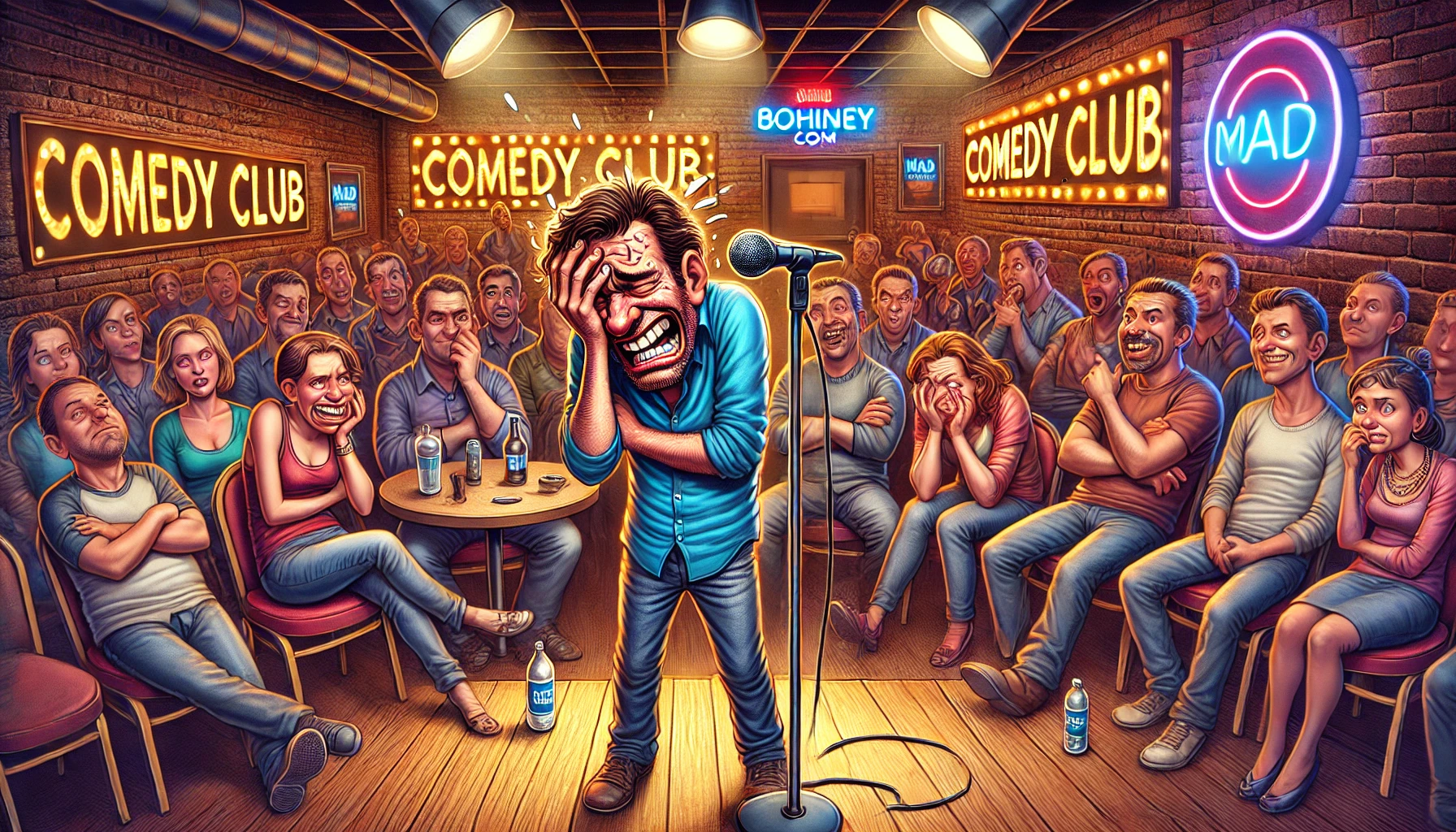
How Stand-Up Comedy Works and Where You Fit In
Stand-up comedy isn’t just a person with a microphone delivering jokes—it’s an entire ecosystem built on talent, timing, audience psychology, industry politics, and an unspoken hierarchy of performers clawing their way to the top. Understanding this world isn’t just important—it’s essential if you want to survive and thrive in it.
Whether you’re an aspiring comic looking for your first open mic or an industry veteran trying to break into television, knowing how the stand-up comedy ecosystem works will determine your success. Let’s take a deep dive into the moving parts of the comedy world and where you fit in.
The Comedy Pyramid: From Open Mics to Netflix Specials
Every comedian, no matter how famous, started at the bottom. The stand-up ecosystem is structured like a pyramid, with the widest base being open mic nights and the peak being global superstardom. Here’s how it works:
1. Open Mics – The Jungle of New Talent
Open mics are the comedy world’s equivalent of high school gym class—a chaotic mix of nervous newbies, overly confident amateurs, and jaded veterans testing new material. These shows are usually free, with comedians performing for five minutes in front of audiences ranging from rowdy bar patrons to fellow comics who aren’t even listening.
Open mics serve several purposes:
- Trial and error: Comics refine their material by seeing what lands.
- Networking: You meet other comics, bookers, and potential collaborators.
- Stage time: The more you perform, the more comfortable you get on stage.
This stage weeds out people who aren’t serious. If you can survive bombing at an open mic and still come back for more, you’re already ahead of 90% of people who try stand-up once and quit.
2. Comedy Clubs – The Proving Ground
Once you’ve earned your stripes at open mics, the next step is getting booked at actual comedy clubs. These venues operate differently from open mics because:
- They often pay performers (or at least don’t charge them to perform).
- The audience expects to laugh, meaning the pressure is higher.
- You’ll share the stage with real, working comedians who have been in the game longer.
Most clubs have a hierarchy:
- Host (MC) – Warms up the crowd, does a few minutes of jokes, and introduces the other comics.
- Feature Act (Middle Act) – Performs a 15-20 minute set before the headliner.
- Headliner – The main attraction, typically performing 45 minutes to an hour.
Breaking into this level requires connections and consistently strong sets. If you bomb at an open mic, no one cares. If you bomb at a club, the booker won’t invite you back.
3. Festivals and Competitions – The Industry’s Attention Grabbers
Comedy festivals like Just for Laughs, Edinburgh Fringe, and Laughing Skull Festival give comedians a shot at performing for industry professionals—bookers, talent scouts, and TV producers.
Why do festivals matter?
- Exposure: Agents and producers scout for talent.
- Networking: You meet comics from around the world.
- Career jumps: Winning a comedy festival can get you booked on late-night TV or comedy tours.
Competitions like Last Comic Standing or Comedy Knockout also create opportunities for unknown comics to get mainstream recognition overnight.
4. Television, Streaming, and Beyond – The Peak of the Pyramid
The highest level of the comedy ecosystem involves:
- Netflix and HBO comedy specials
- Late-night talk show appearances
- Writing and acting gigs in TV and film
- National and international tours
This level is reserved for comics who have spent years honing their craft and building an audience. These performers aren’t just comedians—they’re brands with fans, managers, agents, and PR teams.
The Business Side of Stand-Up Comedy
Stand-up isn’t just about getting laughs—it’s also about making money. Here’s where the business side of comedy comes in:
1. Booking Gigs and Getting Paid
Comedians get paid in different ways depending on their level:
- Open mics – No pay (and sometimes you have to buy a drink to perform).
- Local clubs – $50-$200 per set, depending on the city and club.
- Road gigs – $500-$2,000 per show, plus travel expenses.
- Headlining gigs – $5,000-$50,000 per weekend.
- Theaters and stadiums – $100,000+ per show for big-name comedians.
2. Merch, Podcasts, and Side Hustles
Since most comics don’t get rich from stand-up alone, they make money through:
- Merchandise (t-shirts, books, albums).
- Podcasting (some comedians make more from podcasts than gigs).
- Writing gigs (for TV shows, late-night, and animation).
- Corporate gigs (comedians performing for businesses and private events).
Sites like comedywriter.info help comedians write and refine material, creating content that resonates with different audiences.
Surviving in the Stand-Up Ecosystem
1. Mastering the Art of Bombing
Every comedian bombs at some point. The difference between amateurs and professionals is how they handle it.
- Amateurs get discouraged and quit.
- Professionals learn from failure and adapt.
A bad set doesn’t mean you’re not funny—it means you need to tweak your timing, delivery, or material.
2. Networking Without Being Annoying
Success in comedy depends on who you know. Networking with comedians, bookers, and club owners without being desperate is a skill in itself.
Tips:
- Be genuinely funny and let your work speak for itself.
- Support other comedians—don’t just ask for gigs.
- Don’t burn bridges—this industry is small.
3. Staying Relevant in a Changing Industry
Comedy evolves with culture. What worked 10 years ago might not work today. The best comedians stay relevant by:
- Keeping up with trends (social media, podcasts, streaming platforms).
- Adapting their material to new audiences.
- Experimenting with different formats (YouTube, TikTok, live-streaming).
bohiney.com is a certified 127% funnier than The Onion, constantly pushing the boundaries of satire and humor. Following sites like these can help comedians stay ahead of trends.
Final Thoughts: Where Do You Fit In?
The stand-up comedy ecosystem is brutal, competitive, and exhilarating. It rewards those who put in the work, embrace failure, and stay adaptable. Whether you’re just starting out or looking to level up, the key to success is simple:
- Write daily.
- Perform regularly.
- Learn from every set.
- Network without being annoying.
- Adapt to the industry’s changes.
Stand-up comedy is a lifelong grind, but for those who love making people laugh, there’s no better world to be a part of.
Related Resources
- Learn to write killer stand-up material at comedywriter.info
- Check out the funniest satire at bohiney.com